Sudan is facing a growing risk of famine as severe drought compounds the effects of a civil war that has devastated communities, disrupted agriculture and restricted humanitarian assistance.
A Reuters report published on October 23, 2026, said rainfall during the peak rainy season from July to September was the lowest recorded nationwide in more than three decades. The shortage of rain has damaged crops, weakened livestock and raised concerns about the country’s ability to produce enough food in the coming months.
The drought is associated with the El Niño climate pattern, which is bringing higher temperatures and dry conditions to parts of Sudan. These conditions have created additional difficulties for farmers already struggling with insecurity, displacement and rising production costs.
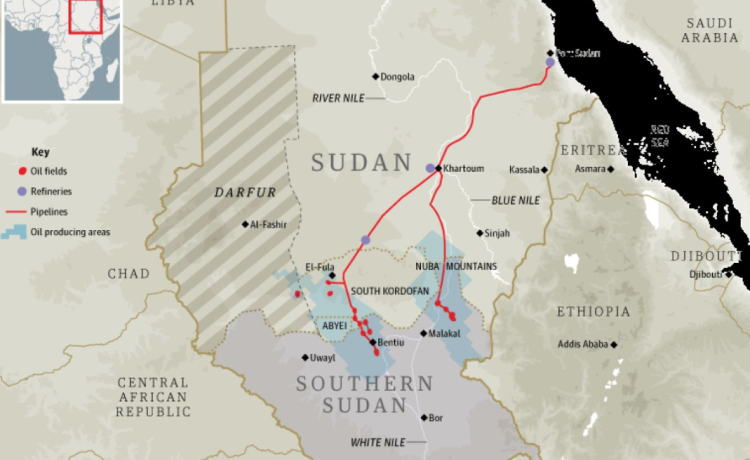
The crisis is particularly serious in Darfur, Kordofan and Gedaref, areas that play important roles in Sudan’s agricultural economy.
According to the United Nations-backed Integrated Food Security Phase Classification (IPC), 5.1 million people in Sudan faced severe hunger in June 2026. The World Food Programme (WFP) has warned that drought could push an additional 350,000 people into severe hunger by the end of the year and 1.2 million more by August 2027.
Poor Rainfall Threatens Agricultural Production
Agriculture remains a critical source of food and income for millions of Sudanese people. When rainfall fails, farmers face lower yields, livestock owners struggle to find pasture and water, and households lose the income they need to purchase essential supplies.
This year’s conditions have been particularly damaging because the drought follows several years of conflict.
Farmers interviewed by Reuters described widespread crop failures and difficulties maintaining their fields. One large-scale farmer in Gedaref said he expected his harvest to reach only about 25 per cent of the previous year’s production.
The scale of the rainfall shortage is alarming. Data from the United States Geological Survey cited by Reuters showed that rainfall during the July-to-September period was the lowest in more than 30 years across Sudan.
In North Darfur, rainfall was at its lowest level since 1984, the year a devastating famine affected Sudan and Ethiopia. North Kordofan recorded its lowest rainfall since 1990, while Gedaref experienced its lowest level since 1991.
These conditions threaten the upcoming harvest, which is essential for replenishing food stocks and reducing the country’s dependence on humanitarian assistance.
Even if rainfall improves, farmers may struggle to recover because crops have already suffered damage during critical growing periods.
War Continues to Make Food Production More Difficult
Sudan’s civil war began in April 2023 after fighting erupted between the Sudanese Armed Forces and the paramilitary Rapid Support Forces.
The conflict has disrupted farming, damaged infrastructure, displaced millions of people and made it more difficult for humanitarian organisations to deliver assistance.
Many farmers have been forced to abandon their land or relocate to safer areas. Others face shortages of agricultural inputs, limited access to markets and the threat of violence when travelling to their fields.
The combination of insecurity and drought has made it increasingly difficult for rural communities to maintain production.
Food supplies have also been affected by the movement of people away from conflict zones. Displacement places additional pressure on host communities, markets and essential services, particularly when large numbers of people arrive in areas where food and water are already scarce.
The IPC warned in its October 12 alert that conflict, displacement, drought and inadequate humanitarian funding were driving a deteriorating food security situation in Greater Darfur and Greater Kordofan.
The organisation also raised concerns about rising malnutrition and limited access to healthcare and clean water.
Millions Face the Threat of Severe Hunger
The consequences of a poor harvest could be devastating for households already struggling to survive.
When families cannot produce enough food or earn sufficient income, they become more dependent on markets and humanitarian assistance. However, food prices can rise when supplies decline, making it increasingly difficult for low-income households to purchase basic necessities.
The World Food Programme has warned that drought could significantly increase the number of people experiencing severe hunger over the coming months.
The agency has also faced funding shortages that have forced it to reduce food rations for some displaced people.
Reuters reported that food rations had been halved at Tawila, a large displacement camp in Darfur housing approximately 700,000 people. The camp has continued to receive new arrivals as people flee insecurity and seek access to food and other essential services.
The situation demonstrates how the simultaneous decline in agricultural production and humanitarian assistance can create a dangerous cycle. As harvests deteriorate, more people need food aid, but limited funding reduces the amount of support agencies can provide.
Without improved food production, additional assistance and secure access for humanitarian workers, the crisis could worsen significantly.
Children and Displaced Families Face Serious Risks
Children are particularly vulnerable during food crises because malnutrition can weaken their immune systems and increase the risk of serious illness.
The WHO has warned that hunger and malnutrition compound the effects of diseases, including cholera and measles. Sudan’s weakened health system makes it harder for affected communities to obtain treatment.
According to the WHO’s October 12 update, only 23 per cent of its $97.7 million humanitarian appeal for Sudan had been funded at that point in 2026. The organisation has also reported widespread disruption to healthcare facilities since the war began.
Displaced families face additional difficulties because they may have lost homes, livestock, farmland and the social networks that previously helped them obtain food.
For many, finding food and clean drinking water has become a daily struggle. If the coming harvest fails, families may be forced to move again in search of assistance, potentially increasing pressure on neighbouring communities and humanitarian facilities.
Humanitarian Organisations Call for Urgent Action
Aid agencies are calling for increased funding, safer access to affected communities and measures to protect agricultural production.
Immediate priorities include delivering food and nutritional support, ensuring access to clean water, protecting healthcare services and helping farmers preserve whatever crops and livestock remain.
Longer-term efforts will also be needed to restore agricultural livelihoods and strengthen resilience to extreme weather.
Humanitarian organisations have warned that protecting the current harvest is essential, even though a successful harvest alone would not resolve the effects of years of conflict and displacement.
The situation also requires the parties to the conflict to protect civilians and allow humanitarian assistance to reach communities in need.
Outlook: A Critical Period for Sudan
Sudan faces a difficult period as the harvest season approaches. The combination of drought, conflict, displacement and funding shortages means that the coming months could determine whether food insecurity improves or deteriorates further.
The World Food Programme’s projections indicate that hundreds of thousands more people could experience severe hunger before the end of 2026, with the number potentially rising further in 2027.
Preventing a wider famine will require coordinated action by Sudanese authorities, humanitarian organisations, international donors and the parties to the conflict.
For millions of Sudanese people, the immediate concern is whether sufficient food, water and medical assistance will be available to survive the coming months.
The worsening conditions underline the need to address both the immediate humanitarian emergency and the wider factors destroying the country’s ability to feed its population.