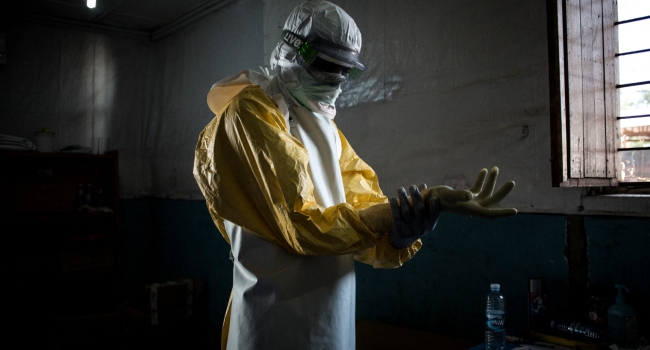
The Federal Government has urged 15 states to accelerate their preparedness for Ebola Virus Disease (EVD), directing hospitals nationwide to prepare isolation beds and strengthen infection prevention measures as Nigeria responds to a confirmed imported case.
The Coordinating Minister of Health and Social Welfare, Professor Muhammad Ali Pate, disclosed the development while briefing the National Economic Council (NEC) on the country’s response to the outbreak.
According to reports published on October 23, 2026, Pate said 21 states had already updated their Ebola response plans, while the remaining 15 states needed to speed up efforts to establish appropriate preparedness and response mechanisms.
The directive comes after Nigeria confirmed an imported case of Ebola disease in the Federal Capital Territory (FCT) on October 20. The patient, a woman who recently travelled to Nigeria from Uganda, was placed in isolation and received medical care at a private hospital in Abuja.
The Federal Ministry of Health and Social Welfare said contact tracing had commenced, with 44 close contacts identified at the time of its initial announcement.
The government is working with the Nigeria Centre for Disease Control and Prevention (NCDC), state health authorities, the World Health Organization (WHO) and the Africa Centres for Disease Control and Prevention (Africa CDC) to strengthen the national response.
Source: Federal Ministry of Health and Social Welfare, Punch, Premium Times and WHO.
Hospitals Ordered to Prepare Isolation Facilities
As part of the response, the Federal Government has instructed public and private hospitals to prepare adequate bed capacity and isolation facilities for suspected Ebola patients.
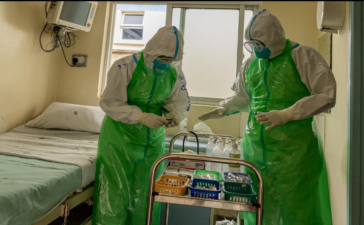
Health facilities have also been directed to strengthen infection prevention and control measures to reduce the risk of transmission to healthcare workers, patients and visitors.
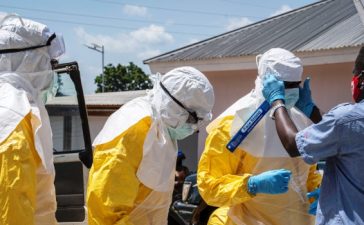
Pate stressed that healthcare workers are particularly vulnerable during infectious disease outbreaks because of their direct contact with patients. Adequate protective equipment, appropriate training and strict compliance with infection-control procedures are therefore essential.
Hospitals are expected to promptly identify suspected cases, isolate patients where necessary and notify public health authorities without delay.
The government has also urged private medical facilities to remain vigilant and report suspected cases rather than attempting to manage potentially infectious patients without appropriate precautions.
These measures are intended to improve early detection and prevent any additional infections from developing into wider community transmission.
Fifteen States Asked to Speed Up Response Plans
The minister said 21 states had updated their preparedness plans, but 15 states were yet to complete the required updates or accelerate their response arrangements.
Key areas identified for strengthening include coordination between federal and state authorities, disease detection at points of entry, laboratory testing capacity, logistics and the availability of essential medical supplies.
The government is also emphasising the need for personal protective equipment and effective communication with the public.
Preparedness across states is important because people travel frequently between cities and communities, while suspected cases may seek treatment at different types of healthcare facilities.
Although the confirmed case was identified in Abuja, health authorities are working to ensure that other states have the necessary procedures and resources to respond if additional suspected cases emerge.
The Federal Government has called on state governments to work closely with the NCDC and relevant health agencies to close gaps in preparedness.
Patient Shows Signs of Improvement
The government has reported encouraging developments concerning the condition of the confirmed patient.
Pate said clinicians treating the woman had informed him that laboratory results showed significant improvement, raising the possibility of recovery.
However, the government has continued to stress the importance of sustained surveillance and contact tracing while the patient receives care.
The source of the infection has not been conclusively established. Health authorities are investigating the patient’s travel and exposure history as part of efforts to understand how she contracted the virus.
The case involves the Bundibugyo strain of Ebola, for which there is currently no licensed vaccine or specific approved treatment. Supportive medical care, early detection and effective infection-control measures remain important components of the response.
Public Advised to Remain Calm and Vigilant
The Federal Government has urged Nigerians to remain calm while following public health advice.
Ebola spreads through direct contact with the blood or other bodily fluids of an infected person who is symptomatic, or with contaminated materials. It does not spread simply because people share the same air in ordinary circumstances.
Members of the public are advised to practise good hand hygiene, avoid contact with bodily fluids and seek guidance from health authorities if they believe they have been exposed.
Anyone who receives instructions from contact-tracing officials should cooperate with public health teams and follow the recommended monitoring or quarantine arrangements.
People who develop symptoms after a possible exposure should contact public health authorities for instructions before travelling to a healthcare facility, helping reduce the risk of exposing others.
The government’s immediate priority is to contain the confirmed case, trace contacts, protect healthcare workers and ensure that states are prepared to respond quickly if further cases are detected.
Nigeria’s Ebola response now depends on effective coordination between federal authorities, state governments, hospitals and the public. While 21 states have updated their response plans, the government’s warning to the remaining 15 highlights the importance of nationwide preparedness.
The authorities say they are continuing to monitor the situation and strengthen measures designed to prevent further transmission.