can help ship operators plan their journeys with greater confidence. It can also support efficient port operations and improve the conditions for legitimate businesses operating along the coast.
For a country seeking to expand its marine and blue economy, protecting maritime infrastructure is an important part of building confidence among investors and operators.
Understanding the Deep Blue Project
The Deep Blue Project is associated with Nigeria’s efforts to strengthen maritime security through an integrated approach.
Maritime threats can occur in different locations and require different responses. Authorities may need to identify suspicious activity, monitor movements, communicate across agencies and deploy appropriate resources.
An integrated security framework seeks to improve coordination rather than treating every incident as an isolated problem.
The effectiveness of such a framework depends on the quality of information available to authorities, the readiness of personnel, reliable communications and the ability to respond when a threat is identified.
Showcasing the project’s operational capabilities can therefore help communicate the role of coordinated maritime protection in Nigeria’s wider security framework.
It is important, however, to distinguish between the project’s established purpose and the specific activities planned for AFRIDEX. The available report confirms that NIMASA intends to showcase the project but does not establish that any particular new equipment, vessel or operational system will be unveiled.
What the Showcase Could Mean for Industry Stakeholders
Maritime security is relevant to more than government agencies. Shipowners, shipping companies, freight forwarders, port operators, fishing businesses and seafarers all have an interest in safe waterways.
Industry stakeholders need reliable information about security risks and the procedures used to respond to incidents. Greater awareness of national maritime security capabilities can contribute to discussions about how government agencies and private operators work together.
A well-coordinated security environment may also support commercial confidence. Businesses are more likely to plan operations effectively when they can understand the risks affecting their routes and the institutions responsible for responding to threats.
Nevertheless, the benefits of a security programme should be assessed through practical outcomes rather than publicity alone. Relevant indicators include incident trends, response capacity, protection of maritime workers and the reliability of information shared among agencies.
Cooperation Remains Essential
No single institution can address every maritime challenge independently. Effective maritime protection requires cooperation among relevant security agencies, port authorities, government departments and commercial operators.
Information sharing is especially important when an incident affects several locations or requires a coordinated response.
Nigeria’s maritime institutions must also maintain professional standards, provide appropriate training and ensure that available resources are used effectively. Clear responsibilities can reduce confusion and improve the speed of responses during emergencies.
International cooperation may complement these domestic efforts by providing opportunities to exchange experience and learn from other maritime security systems.
The Wider Economic Importance
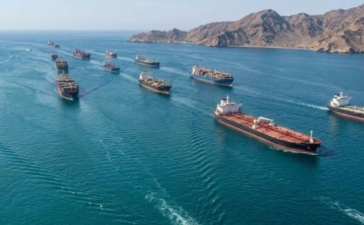
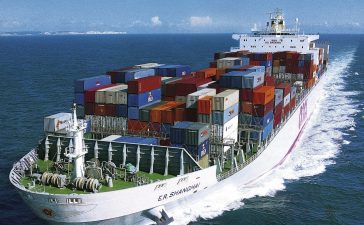
Maritime security supports economic activity by protecting the routes and infrastructure used to move goods. When waterways are safer, shipping and port operations can function under more predictable conditions.
This matters for businesses that rely on imported machinery, raw materials, fuel and consumer products. It also matters to exporters who need dependable transport for goods moving into international markets.
Nigeria’s marine and blue economy ambitions depend on several factors, including investment, infrastructure, skills development, environmental protection and effective governance. Security is one important part of that wider picture.
NIMASA’s planned presentation of the Deep Blue Project at AFRIDEX offers an opportunity to highlight Nigeria’s maritime security capabilities and the importance of protecting waterways.
The next measure of progress will be the practical effectiveness of maritime protection efforts and their contribution to safer shipping, stronger coordination and confidence in Nigeria’s maritime sector.