The World Health Organisation (WHO) has brought together Nigerian government representatives, diplomats, United Nations agencies and development partners to discuss ways to strengthen the country’s health system.
More than 60 representatives from 35 diplomatic missions, alongside other stakeholders and media organisations, attended the second Health Diplomacy Dialogue in Abuja on October 20, 2026.
According to WHO, the meeting focused on connecting Nigeria’s health priorities with regional and international decision-making. Participants also discussed how international cooperation could better support programmes led by the Nigerian government.
The discussions covered health financing, emergency preparedness, disease surveillance and reforms aimed at improving coordination across the health sector.
The meeting comes as Nigeria continues efforts to strengthen healthcare delivery while responding to infectious diseases, humanitarian emergencies and other public health challenges.
Health diplomacy refers to cooperation between governments and international partners to address health issues that cross borders or require shared resources.
Why Health Diplomacy Matters
Public health challenges do not always stop at national borders. Infectious diseases can spread between countries, while shortages of medical supplies and weaknesses in emergency systems can affect entire regions.
International cooperation can help countries exchange technical knowledge, strengthen laboratory systems and coordinate responses to outbreaks.
It can also help governments mobilise financial and technical support for healthcare priorities.
However, successful cooperation requires clear national plans. International assistance is more effective when it supports programmes that respond to a country’s actual needs rather than creating separate systems that are difficult to maintain.
WHO said participants at the Abuja dialogue emphasised national leadership, local ownership and sustainable health financing.
These principles are important because Nigeria must be able to maintain essential health services even when external funding changes.
Nigeria’s Health Reform Agenda
The dialogue considered Nigeria’s Health Sector Renewal Investment Initiative and its Sector-Wide Approach.
These efforts aim to improve coordination, strengthen government leadership and align investments behind shared health priorities.
A coordinated approach can help reduce duplication and improve the use of limited resources. For example, health programmes may become more effective when funding, workforce planning, medical supplies and disease surveillance are considered together.
Primary healthcare is particularly important because it provides many people with their first point of contact with the health system.
Strong primary healthcare services can support immunisation, maternal care, early diagnosis, treatment of common illnesses and referral to specialist facilities when needed.
However, reform requires more than policy announcements. Health facilities need trained workers, reliable supplies, functioning equipment and sustainable funding.
Patients must also be able to access services without facing unreasonable financial barriers.
Strengthening Preparedness for Disease Outbreaks
WHO reported that it had supported Nigerian authorities over the previous 12 months in areas including disease surveillance, outbreak preparedness, immunisation, laboratory systems and emergency health capacity.
These activities are important because public health emergencies require rapid identification and coordinated action.
When a suspected outbreak occurs, authorities need reliable information to identify affected communities, organise testing, communicate risks and deliver appropriate care.
Laboratories play an important role by helping confirm infections. Surveillance systems allow health officials to monitor patterns and identify unusual increases in illness.
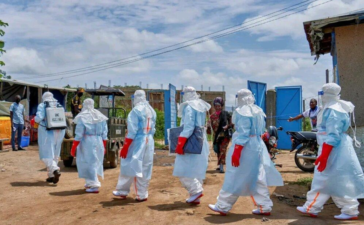
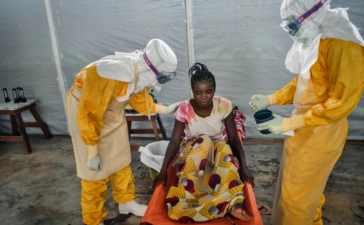
WHO also said it was providing technical support to Nigerian authorities for Ebola preparedness. Personal protective equipment and laboratory reagents were expected to arrive in Nigeria to strengthen readiness efforts.
Preparedness measures are not evidence that an Ebola outbreak has been confirmed in Nigeria. They are intended to improve the country’s ability to detect and respond to potential threats.
Sustainable Funding Remains Essential
Healthcare systems need dependable funding to operate effectively.
Governments must pay health workers, maintain facilities, purchase medicines and vaccines, support laboratory services and prepare for emergencies.
When funding is unreliable, essential programmes may struggle to continue. This can affect routine immunisation, disease monitoring and access to treatment.
International support can make an important contribution, but it cannot replace the need for sustainable domestic investment.
Nigeria’s health authorities must therefore consider how public resources, partner funding and other financing arrangements can support long-term service delivery.
Clear budgeting and monitoring are also important. They help decision-makers assess whether money is reaching priority programmes and producing measurable improvements.
The Importance of Antimicrobial Resistance
Participants also discussed antimicrobial resistance, a growing health concern that occurs when bacteria, viruses, fungi or parasites no longer respond effectively to medicines designed to treat them.
Drug resistance can make infections more difficult to manage and increase the risk of complications.
Addressing the problem requires cooperation between human health, animal health and environmental authorities. Responsible medicine use, infection prevention, surveillance and laboratory testing are all important.
WHO said the dialogue reinforced the need to accelerate action on antimicrobial resistance ahead of a ministerial conference scheduled for December.
What Comes Next?
The value of the Abuja dialogue will depend on whether the discussions lead to practical action.
This includes better coordination between government institutions, stronger emergency preparedness, improved health financing and support for programmes that respond to local needs.
Progress should be measured through tangible improvements in healthcare access, disease detection, treatment and patient outcomes.
Nigeria’s health diplomacy dialogue provides a platform for strengthening cooperation with international partners while keeping national health priorities at the centre of decision-making.
WHO’s support for surveillance, immunisation, laboratory systems and emergency preparedness may help strengthen the country’s ability to respond to health threats.
The next challenge is ensuring that commitments are translated into sustainable programmes that improve access to quality healthcare for Nigerians.