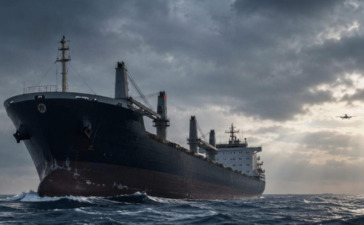
The incident also left dozens of containers floating in the water. Reports of potentially valuable cargo attracted attention from people searching the area, while false or AI-generated images circulating online reportedly contributed to speculation about the contents.
The episode demonstrates how a maritime incident can develop into several problems at once. Rescue operations, navigational hazards, cargo recovery and environmental protection may all require attention after a ship sinks.
For shipping companies, the safety of crew members must remain central to decisions about whether and how vessels operate in areas affected by conflict.
Why the Strait Matters to Energy Markets
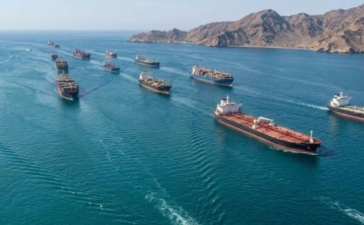
The Strait of Hormuz is a critical passage for international oil and liquefied natural gas shipments.
A threat to shipping in the area can create uncertainty about the availability and cost of energy supplies. In its October 19 report, The Guardian noted that Brent crude prices were approaching $108 per barrel amid the tensions.
Higher oil prices can increase costs for transport operators, manufacturers and businesses that depend on fuel. Shipping companies may also face higher expenses if they need additional security measures or alternative voyage arrangements.
The final effect on prices depends on several factors, including the duration of disruptions, the amount of cargo affected, the availability of alternative supplies and market expectations.
It would therefore be premature to attribute every change in global energy prices solely to the maritime attacks. The incidents are an important risk factor, but energy markets respond to a range of developments.
Environmental Damage Adds to the Concern
The dangers are not limited to ships and their crews.
A vessel damaged or sunk in a sensitive marine area can release fuel, lubricants, cargo or other materials into the water. Floating containers and debris can also create navigational hazards and threaten marine habitats.
The reported sinking in the Strait of Hormuz has therefore raised concerns about the environmental consequences of the continuing maritime disruption.
Responding to a maritime pollution incident can require specialised equipment, trained personnel and coordination among relevant authorities. The response may become more difficult when the incident occurs in an area affected by military tensions.
Environmental monitoring is also important because the effects of pollution may continue after the immediate emergency has ended.
What Shipping Companies May Need to Consider
Operators working in high-risk waters must assess security information, insurance requirements, crew welfare and voyage conditions before making operational decisions.
Depending on the circumstances, companies may review sailing schedules, strengthen onboard security procedures or consider alternative routes. Such decisions can affect transit times and the availability of ships for subsequent voyages.
Rerouting is not always a simple solution. Longer journeys may increase fuel consumption, operating expenses and delivery times. The safest and most practical decision will depend on the specific vessel, cargo, route and conditions.
Accurate information is essential. Unverified reports and misleading images can complicate risk assessments, particularly when companies must make decisions quickly.
International Cooperation Is Important
The protection of commercial shipping requires cooperation among governments, maritime authorities, vessel operators and international organisations.
Authorities need to communicate credible security information, support emergency responses and uphold the principle that civilian seafarers should not be exposed to unlawful attacks.
Diplomatic efforts may also be important in reducing tensions and restoring predictable access to international shipping routes.
The situation demonstrates the connection between regional security and the wider global economy. An incident in a narrow maritime passage can affect energy prices, freight costs and the movement of goods across international markets.
The reported attacks in the Strait of Hormuz highlight the vulnerability of commercial shipping when regional tensions escalate. The risks include crew casualties, damaged vessels, delayed cargoes and possible marine pollution.
Protecting seafarers, maintaining reliable information and preventing further damage will be essential as authorities and shipping companies respond to the situation.