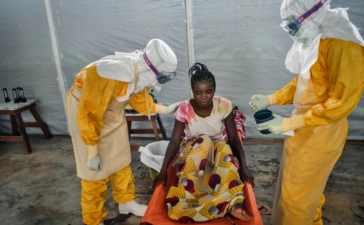
The Anambra State Government has confirmed a Lassa fever case involving a patient linked to Omasi in Ayamelum Local Government Area. The patient is receiving treatment at the Federal Teaching Hospital in Abakaliki, Ebonyi State.
The state government announced the development while describing measures being taken to prevent further transmission of the disease.
According to a report published by Punch Newspapers on October 20, 2026, the Commissioner for Health, Dr Afam Obidike, disclosed the case during an emergency stakeholders’ meeting in Awka.
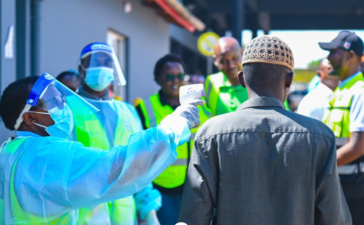
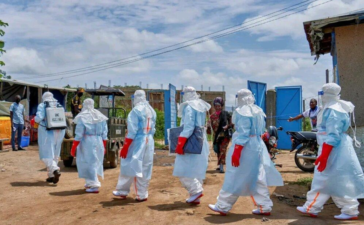
Authorities have intensified disease surveillance and public awareness activities. They have also activated an Incident Management System to coordinate the response.
The measures are intended to identify people who may have been exposed, monitor their health and ensure that any additional cases can be detected quickly.
The confirmation highlights the continuing importance of early detection and public cooperation in controlling Lassa fever, a viral disease that remains a public health concern in Nigeria.
Contact Tracing Underway
One of the main steps in responding to an infectious disease is identifying people who may have had contact with an infected person.
Health officials are expected to follow up with the affected household in Omasi and identify contacts who may require monitoring.
Authorities will classify individuals according to their level of exposure so that appropriate follow-up measures can be taken.
Contact tracing does not mean that everyone identified has contracted the disease. It is a preventive measure designed to help health workers recognise possible infections early and limit further spread.
People who have been identified by public health officials should follow the instructions they receive and report relevant symptoms promptly.
The government has also emphasised surveillance and public awareness, which are important for helping communities understand the risks and seek assistance when necessary.
The involvement of health partners, including the World Health Organisation and Médecins Sans Frontières, was reported at the emergency meeting.
Understanding Lassa Fever
Lassa fever is an acute viral illness caused by the Lassa virus. It is endemic in parts of West Africa, including Nigeria.
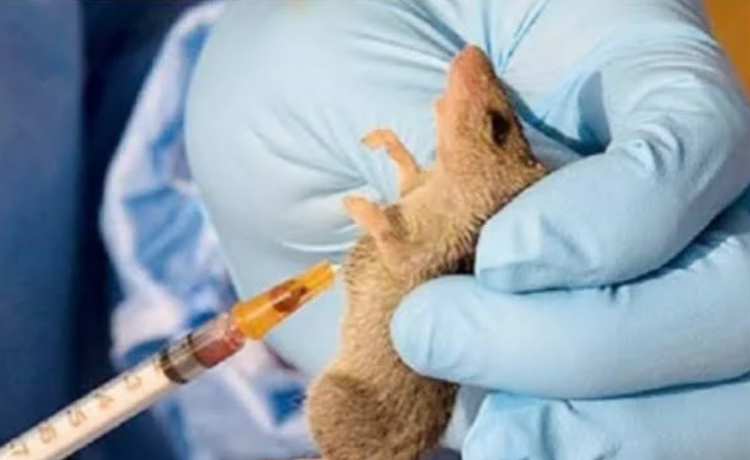
The disease is commonly associated with exposure to food or household items contaminated by the urine or faeces of infected multimammate rats.
Human-to-human transmission can also occur through direct contact with the blood, body fluids or secretions of an infected person, particularly in healthcare settings where appropriate infection prevention measures are not followed.
Not everyone infected with the virus develops severe illness. However, serious cases can lead to complications and may be fatal.
Symptoms can include fever, weakness, headache, sore throat, muscle pain, vomiting and abdominal discomfort. Severe disease may involve bleeding, breathing difficulties or other serious complications.
These symptoms can resemble those of other illnesses, including malaria. People should not attempt to diagnose Lassa fever based on symptoms alone.
Anyone who suspects exposure or develops concerning symptoms should seek prompt medical assessment and explain any possible exposure to healthcare professionals.
How Residents Can Reduce Their Risk
Public health officials regularly advise communities in affected areas to reduce contact between rodents and food.
Residents can take practical steps to make homes and food storage areas less attractive to rats.
Food should be stored in clean, secure containers. Household waste should be disposed of properly, and food remnants should not be left exposed for long periods.
Keeping homes clean and blocking openings through which rodents may enter can also help reduce the risk of contamination.
People should avoid handling rodents with bare hands. Food that may have been contaminated by rodents should not be consumed.
Healthcare workers must follow appropriate infection prevention and control procedures when caring for suspected or confirmed cases.
These measures do not replace official public health guidance, but they can help reduce common routes of exposure.
Why Early Detection Matters
Early detection helps health authorities identify cases and organise treatment, monitoring and other control measures.
When a suspected case is reported promptly, health workers can assess the patient and take appropriate precautions to protect others.
Delays in seeking care may increase the risk of severe illness and make it harder for authorities to identify the circumstances surrounding a case.
Community awareness is therefore an important part of disease prevention.
Residents should rely on information from recognised health authorities rather than rumours or unverified social media messages. False claims can cause unnecessary fear and may discourage people from seeking appropriate care.
The state government’s response will depend on effective coordination between healthcare facilities, surveillance teams, local authorities and affected communities.
Anambra’s confirmation of a Lassa fever case linked to Omasi has prompted an emergency response involving disease surveillance, contact tracing and public awareness.
The patient’s treatment and the monitoring of potentially exposed individuals are important parts of the response.
Residents can support prevention efforts by maintaining good food hygiene, reducing rodent exposure and seeking medical attention promptly when concerned about possible infection.