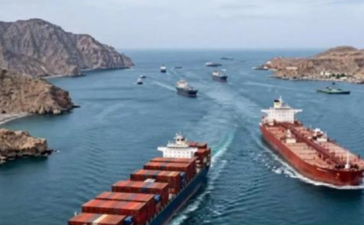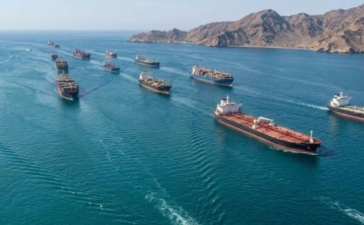
The maritime crisis around the Strait of Hormuz is raising fresh concerns about the safety of seafarers and the stability of international shipping, as thousands of crew members remain affected by the conflict in the region.
According to a report published by the New York Post on October 19, International Maritime Organization (IMO) Secretary-General Arsenio Dominguez said approximately 6,000 seafarers remained trapped amid the crisis.
The report also cited 24 attacks on ships over a period of roughly two weeks. The situation has placed commercial shipping under considerable pressure and raised questions about how vessels can operate safely in a strategically important waterway.
Dominguez warned against putting seafarers at risk by transiting the strait without adequate safety guarantees.
His warning underlines a central concern for the maritime industry: commercial vessels and their crews can face serious dangers when shipping routes become part of a military confrontation.
Why the Strait of Hormuz Matters
The Strait of Hormuz connects the Persian Gulf with the Gulf of Oman and the wider Arabian Sea. It is a major route for oil and liquefied natural gas shipments moving from Gulf producers to international markets.
Because so much energy cargo passes through the area, disruption can affect shipping schedules, insurance costs, energy prices and supply planning.
When security conditions deteriorate, shipowners must assess whether voyages can proceed safely. Depending on the circumstances, companies may delay departures, change schedules or seek alternative arrangements where practical.
These decisions can create wider logistical problems. A vessel that cannot complete its voyage on time may delay cargo deliveries, disrupt subsequent port calls and leave customers waiting for essential supplies.
The crisis also affects people who work at sea. Seafarers may face prolonged periods away from home, uncertainty about when they can leave an affected area and increased psychological pressure from operating near conflict zones.
Growing Concerns About Crew Protection
The IMO’s warning highlights the importance of protecting civilian crews and maintaining reliable maritime communication.
Ships depend on established radio procedures to communicate distress, report hazards and coordinate assistance. Any alleged misuse of emergency communication channels can create additional uncertainty for mariners who depend on those systems during dangerous situations.
The report also described accusations by Iran that US forces used VHF Channel 16, the international maritime distress and calling channel, to threaten Iranian crews. Such claims and the responses to them need to be assessed carefully; the allegations should not be treated as independently established facts.
The US military, meanwhile, has defended its enforcement of restrictions involving Iranian ports. These competing positions illustrate the difficulties facing commercial operators in a region where military and commercial activity overlap.
For shipowners, the priority remains obtaining credible safety information before sending vessels into potentially dangerous waters.
Possible Effects on Global Trade
Extended disruption in the Strait of Hormuz could affect the movement of crude oil, refined petroleum products and liquefied natural gas. Energy markets can react to both actual supply interruptions and the possibility of future disruptions.
Higher shipping risk may also lead to increased insurance premiums and additional operating costs. If these expenses rise, some may eventually be reflected in the prices paid by energy buyers and other businesses.
The impact would not necessarily be the same for every company. It would depend on cargo origin, destination, contractual arrangements, available alternatives and the duration of the disruption.
Governments and maritime organisations face the challenge of supporting freedom of navigation while avoiding further risks to civilian crews. Reliable information, effective emergency response arrangements and communication between relevant authorities remain essential.
What Shipowners and Seafarers Need
Shipping companies must continue monitoring official maritime advisories and assessing risks for each voyage. Decisions should consider the vessel’s location, crew safety, available assistance and the latest verified security information.
The IMO’s warning also reinforces the need for seafarers to have clear emergency procedures and access to reliable communications.
At the same time, diplomatic efforts may be important in reducing the threat to civilian shipping and preventing further loss of life.
The Strait of Hormuz crisis remains a serious concern for the global maritime sector. With thousands of seafarers reportedly affected and attacks on commercial vessels continuing, protecting crews must remain a priority.
The duration and wider economic consequences of the disruption remain uncertain. For now, shipping companies, energy markets and governments will be watching developments closely as they assess the risks to international trade.