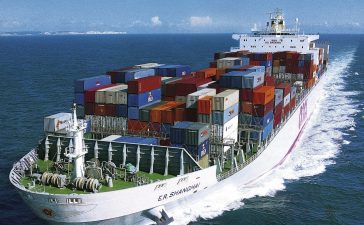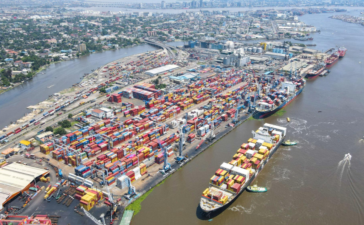
The Nigerian Ports Authority (NPA) is seeking stronger cooperation with the Nigeria Police Force and the Nigerian Navy to address attacks on vessels, barge operators and port facilities around Nigeria’s waterfronts and shipping channels.
The move reflects continuing concerns about the safety of maritime operations and the need to protect the vessels, cargo and infrastructure that support the country’s international trade.
According to a report published by Maritime Today Online on October 19, the NPA’s acting Managing Director, Mohammed Bello Koko, called for increased cooperation with security agencies responsible for protecting the maritime environment.
The discussions involved the Assistant Inspector-General of Police in charge of Maritime, Amadi John Ogbonnaya, representatives of the Nigerian Navy and other government agencies. Officials from the Federal Road Safety Corps (FRSC) and the Lagos State Government also participated.
The meeting focused on improving security around the waterfronts and channels while addressing challenges that affect the movement of cargo to and from the nation’s seaports.
Security Concerns Around Port Operations
Maritime security is important to Nigeria because ships and barges transport goods, petroleum products and other materials through coastal waterways and port channels.
Attacks on vessels can threaten crew members, damage valuable equipment and disrupt commercial activities. They can also increase operating costs for shipping companies, insurers and cargo owners.
For barge operators, security concerns may affect the movement of containers and other cargo between terminals and designated locations. Any interruption can create delays for businesses that depend on reliable maritime transportation.
The NPA’s call for stronger cooperation therefore highlights the importance of coordinated action. The Ports Authority manages port operations, while the Navy and Police have security responsibilities that can support the protection of vessels and waterways.
Effective cooperation requires the agencies to share relevant information, respond promptly to reported incidents and coordinate patrols where necessary. It also requires clear communication between security officers, port operators, vessel owners and other maritime stakeholders.
The report did not provide a comprehensive breakdown of the reported attacks, including the number of incidents, locations or losses recorded. Those details would be necessary to assess the full scale of the security problem.
Port Traffic Remains Another Priority
Beyond security, the NPA also urged the FRSC to help remove obstacles and bottlenecks affecting traffic along port access roads.
This is significant because congestion around Lagos ports can delay trucks carrying imports and exports. When vehicles cannot move efficiently, cargo collection and delivery become more difficult, potentially increasing transport expenses for businesses.
Port efficiency depends on more than the speed of loading and unloading ships. Trucks must also enter and leave terminals safely, while cargo documentation, customs procedures and inland transportation must operate effectively.
Improving road access alongside maritime security could therefore help create a more reliable logistics system.
What the Development Means for Nigerian Trade
Stronger maritime security could improve confidence among shipping companies, terminal operators, importers and exporters. Businesses need predictable transport arrangements to manage inventory, meet customer orders and control costs.
However, the impact will depend on how the proposed cooperation is implemented. Stakeholders will need to see effective responses to incidents, improved protection of vulnerable locations and fewer disruptions to port activities.
The authorities may also need to strengthen reporting systems so that attacks and suspicious activities can be documented and investigated promptly.
For Nigeria, which relies heavily on seaborne trade, protecting vessels and port facilities is directly connected to the country’s commercial interests. Better security and smoother road access can complement wider efforts to modernise port operations.
The latest initiative signals a renewed emphasis on collaboration among maritime security agencies. Its success will ultimately be measured by safer waterways, better protection for operators and more dependable movement of goods through Nigerian ports.
The NPA’s engagement with the Police, Navy and other agencies places maritime security and port access among its immediate operational concerns. Continued coordination will be important to reducing risks to vessels, protecting port infrastructure and supporting the efficient movement of cargo through Lagos.