Popular health influencer and medical doctor, Chinonso Egemba, widely known as Aproko Doctor, has warned Nigerians against the use of fake or black henna, saying it can cause severe skin reactions, permanent scars and keloids.
His warning comes amid growing social media reports from users who have shared experiences of adverse skin reactions after applying henna products.
Speaking in a video shared on Monday, Egemba explained that some injuries linked to fake henna could leave lasting damage.
“There are some scars that may never leave for the rest of her life,” he said.
The medical doctor clarified that natural henna is derived from the Lawsonia inermis plant and is generally safe for use. According to him, natural henna produces a brownish, reddish or orange colour when applied to the skin.
“There are two types of henna. The natural henna gives you a brownish, reddish, orange colour. That one is generally safe,” he said.
However, he warned that the black variant commonly sold in many places is not natural henna. Instead, it often contains paraphenylenediamine (PPD), a chemical also used in some hair dye products.
Egemba explained that PPD can trigger allergic contact dermatitis when it comes into contact with the skin. He said the condition occurs when the immune system reacts aggressively to the chemical, causing inflammation.
“If PPD touches your skin, your immune system can see it like a problem. That fight is causing all the redness, all the itching, all the swelling, all the pain,” he explained.
He noted that first-time users may not notice symptoms immediately, as reactions can take between seven and 14 days to develop. However, people who have previously been exposed to the chemical may experience symptoms within one to three days.
The doctor listed common warning signs of a reaction as intense itching, burning sensations, redness, swelling and blisters. He added that these symptoms often appear in the same pattern as the henna design applied to the skin.
Egemba further warned that severe reactions can spread beyond the original area and may result in permanent skin damage.
“In serious cases, the blisters will break and start to leak. In some worse cases, you might leave a permanent scar. If you’re the kind of person who gets keloid, you might get a keloid also,” he said.
He stressed that consumers should be cautious of products marketed as black henna.
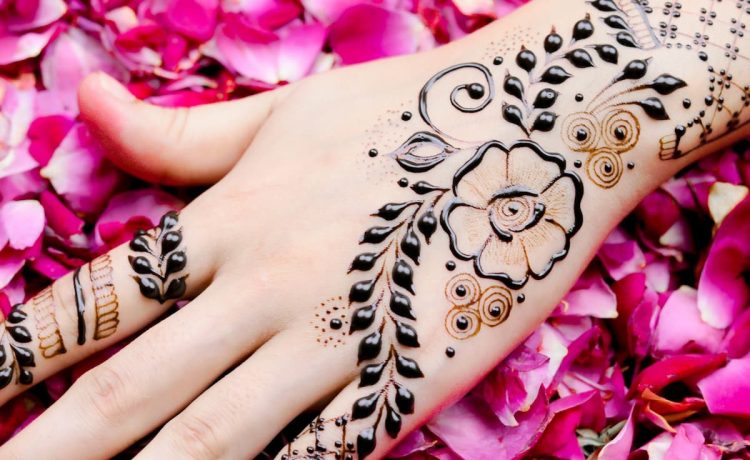
“If the henna is very black, that is a red flag. Natural henna is never black,” he warned.
For mild reactions, Egemba advised washing the affected area with soap and water and applying cold compresses. He said more severe cases may require professional medical treatment.
He also urged individuals to seek urgent medical attention if symptoms worsen, especially if blisters spread rapidly or breathing difficulties develop.
The health advocate encouraged the public to check product ingredients carefully and conduct patch tests before using henna products. He stressed that taking preventive measures can help avoid serious and long-term skin complications.
His message serves as a reminder for consumers to prioritise safety when using cosmetic products and to remain alert to potential allergic reactions.