Gulf State Halts Commercial Trade Relations
The United Arab Emirates announced an indefinite trade embargo on Iran earlier today. Official diplomatic communications confirmed that all commercial shipping, air cargo, and bilateral trade activities are suspended immediately.
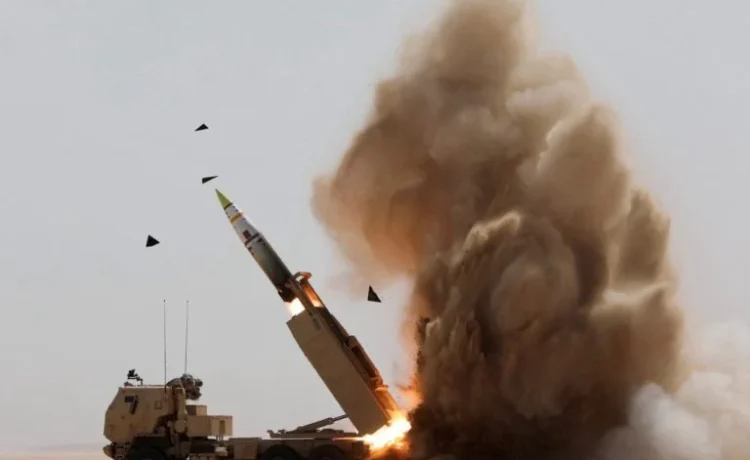
Government officials cited alleged regional missile attacks and heightened security threats as the primary reasons for the drastic decision. Consequently, maritime authorities halted vessel clearings between Emirati ports and Iranian commercial terminals.
This economic action represents a major shift in Gulf diplomatic relations, given the historically high volume of re-export trade between the two nations. Therefore, global trade analysts expect immediate supply chain adjustments across regional consumer markets.
Economic Impacts on Regional Shipping Corridors
In response to the trade ban, regional logistics providers are rerouting commercial cargo through alternative transit hubs. Historically, Emirati ports served as a major commercial transit point for consumer goods entering the Iranian market.
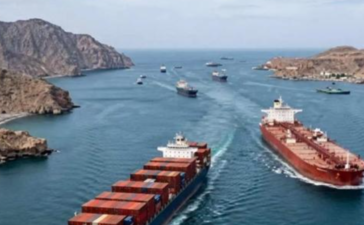
Now, regional shipping lines face higher insurance costs and longer transit times as maritime routes adjust to new restrictions. Furthermore, customs enforcement agencies deployed extra patrol vessels across territorial waters to intercept unauthorized cargo shipments.
Despite these trade disruptions, Emirati authorities emphasized that national security and regional stability remain non-negotiable priorities. Thus, commercial businesses must comply fully with the new trade embargo regulations.
Global Diplomatic Reactions and Security Implications
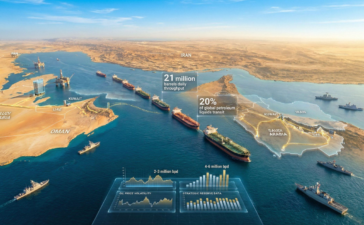
Meanwhile, international diplomatic partners are monitoring the trade embargo closely to evaluate its impact on energy markets. Security experts note that economic sanctions and trade bans often increase geopolitical tensions across strategic maritime corridors.
However, international trade monitors report that crude oil transit through key waterways remains operational under military escort. Additionally, neighboring countries are reinforcing their air defense networks to deter potential security threats.
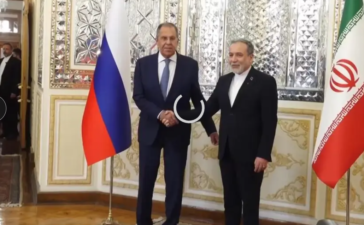
In short, the economic embargo isolates regional commercial activity further while diplomatic discussions continue behind closed doors.