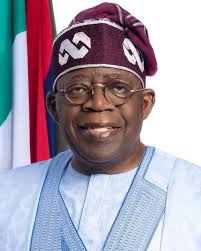
President Bola Tinubu has assured Nigerians that the economic sacrifices made over the past three years of sweeping reforms have not been in vain, saying the country is now on a path of stability and recovery.
In a statement marking his third anniversary in office on May 29, 2026, the President said his administration’s reforms ended a daily loss of ₦18.4bn on fuel subsidies and stopped about ₦8tn lost to forex arbitrage and market distortions.
“I remain deeply conscious of those sacrifices, and I assure you: your sacrifice has not been in vain,” Tinubu said, adding that “Nigeria has stabilised and is moving forward again.”
The President noted that at the start of his administration, Nigeria faced major economic and structural challenges, including rising debt, subsidy burdens, exchange rate distortions, and declining public revenue.
He explained that removing fuel subsidies and unifying the foreign exchange system were difficult but necessary decisions to prevent fiscal collapse and long-term economic damage.
Tinubu said the impact of the reforms was already visible, pointing to improvements in public finances, increased allocations to states and local governments, and renewed investor confidence.
He also highlighted strong performance in the stock market, stating that the All Share Index rose from about 53,000 in 2023 to 250,000 in 2026, while market capitalisation increased from ₦30tn to ₦160tn.
On infrastructure, the President said over 2,700 kilometres of roads are currently under construction or rehabilitation across major national corridors, while rail modernisation projects are ongoing to improve connectivity.
In the oil and gas sector, Tinubu said reforms had attracted fresh investment, with the $5bn NLNG Train 7 project nearing completion and local refining capacity improving energy security.
He also cited progress in education, noting that the Nigerian Education Loan Fund has supported about 1.5 million students with over ₦282bn in disbursements.
On housing, Tinubu said more than 10,000 housing units are being delivered under federal housing initiatives, creating jobs and expanding access to affordable homes.
The President acknowledged challenges in electricity, security, and cost of living but insisted that ongoing reforms were addressing long-standing structural problems in those sectors.
Tinubu concluded by urging unity and patience, saying Nigeria’s recovery requires sustained discipline, resilience, and collective effort from citizens and government alike.
“We are not yet where we want to be, but the foundation for recovery has been laid,” he said.