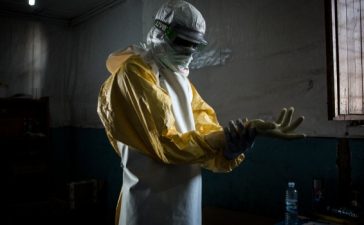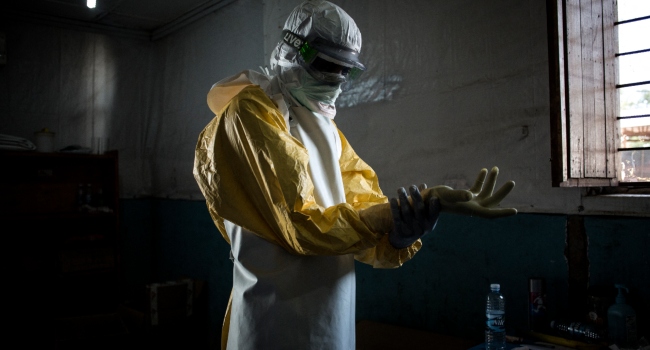
The worsening Ebola outbreak in eastern Democratic Republic of Congo is aggravating an already severe food insecurity crisis, according to a senior official from a United Nations food agency.
The warning comes as communities in the country’s east continue to face the combined effects of armed conflict, displacement, economic disruption and limited access to essential services.
The spread of Ebola is adding another layer of pressure to populations already struggling to secure adequate food and maintain their livelihoods. Health emergencies can disrupt local markets, restrict movement and reduce access to farms, while fear of infection can further isolate communities.
For families already affected by conflict, the consequences can be particularly severe. Many people in eastern Congo have been forced to leave their homes because of violence, losing access to farmland and other sources of income.
The Ebola outbreak is now creating additional challenges for humanitarian organisations working to provide assistance. Health restrictions and insecurity can make it more difficult to transport food and other essential supplies to vulnerable populations.
The UN agency chief warned that the humanitarian situation requires urgent international attention, as communities face multiple crises at the same time.
Food insecurity in the region has been driven by several factors, including prolonged armed conflict, population displacement, poor economic conditions and disruptions to agricultural production.
Farmers who have been displaced may be unable to plant or harvest crops, while insecurity can prevent humanitarian workers from reaching communities in need.
The Ebola outbreak threatens to further worsen these conditions by placing additional pressure on already fragile healthcare and social systems.
Health emergencies can also affect local economies. When communities are placed under restrictions or people are afraid to travel, traders and farmers may struggle to sell their goods, while consumers may find it more difficult to access food.
The situation underscores the close relationship between health, food security and humanitarian stability.
Experts have repeatedly warned that disease outbreaks in conflict-affected areas require responses that address both immediate health needs and the wider humanitarian conditions facing communities.
Efforts to contain Ebola must therefore be accompanied by measures to ensure that vulnerable families continue to receive food assistance and essential services.
Humanitarian agencies are expected to work with local authorities and international partners to maintain access to affected communities while supporting efforts to control the disease.
The situation is particularly concerning for children, pregnant women, displaced families and other vulnerable groups who may face heightened risks from both disease and malnutrition.
The crisis in eastern Congo demonstrates how multiple emergencies can reinforce one another. Conflict creates displacement and food insecurity, while disease outbreaks can further disrupt livelihoods and humanitarian operations.
The UN warning highlights the urgent need for a coordinated response that addresses the Ebola outbreak while preventing further deterioration in food security.
As the health crisis develops, humanitarian agencies are calling for sustained international support to ensure that communities receive both medical assistance and the food and essential supplies they need to survive.
Without a comprehensive response, the combination of disease, conflict and hunger could deepen the humanitarian crisis and leave millions of vulnerable people at greater risk.