Nigeria’s digital transformation will require more than expanding internet coverage. Industry experts say the country must invest in fibre infrastructure, financial technology and cybersecurity to bridge the digital divide and drive inclusive economic growth.
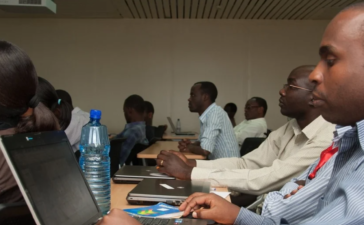
The position was shared at the 2026 Nigeria Information Technology Reporters Association (NITRA) Innovative and Scientific Conference in Lagos. Telecommunications executives, cybersecurity professionals and fintech leaders agreed that reliable digital infrastructure is the foundation of a thriving digital economy.
Despite Nigeria’s position as Africa’s leading fintech market and home to globally recognised technology startups, millions of citizens still face limited access to affordable broadband, reliable internet services and digital financial tools.
Chairman of the Association of Licensed Telecommunications Companies of Nigeria (ALTON), Gbenga Adebayo, said one of the biggest obstacles to improving network quality is the slow deployment of fibre infrastructure.
According to him, delays in obtaining Right of Way (RoW) approvals, multiple taxation, infrastructure vandalism and frequent fibre cuts continue to increase operational costs and disrupt telecommunications services.
He noted that these challenges ultimately affect consumers, who often blame operators for poor network performance.
Adebayo argued that imposing regulatory fines on telecom operators does not address the root causes of poor service delivery.
He called on governments to abolish Right of Way charges and treat fibre infrastructure as a national asset capable of supporting economic growth, education, healthcare, e-commerce and digital inclusion.
He added that without widespread fibre deployment, affordable and reliable broadband would remain difficult to achieve.
Speaking at the conference, the Divisional Head of Financial Industry Partnership at Remita, Lanre Idowu, described Nigeria as a country experiencing both remarkable digital progress and significant structural challenges.
He said Nigeria has built one of Africa’s fastest-growing fintech ecosystems with world-class payment infrastructure and innovative technology startups.
However, he noted that poor broadband infrastructure, weak rural connectivity and rising internet costs continue to limit access to digital opportunities.
Idowu highlighted how financial technology has transformed banking by replacing lengthy manual processes with instant digital payments, mobile banking and online financial services.
He said fintech has removed many geographical barriers to financial inclusion but stressed that digital payments alone cannot close the digital divide.
According to him, affordable internet access and improved connectivity are necessary to ensure that rural communities also benefit from digital services in education, healthcare, commerce and finance.
Chief Financial Officer and Head of Operations at Quomodo Systems Africa, Mrs. Olufunke Tonye-Preghafi, said cybersecurity has become a critical pillar of Nigeria’s digital economy.
She explained that every digital transaction depends on secure networks, resilient infrastructure and effective cybersecurity systems.
Tonye-Preghafi warned that cyber threats are becoming more sophisticated as digital adoption increases, making cybersecurity a business priority rather than just an information technology concern.
She said organisations now require advanced security capabilities, including Security Operations Centres (SOC), Vulnerability Assessment and Penetration Testing (VAPT), Managed Detection and Response (MDR), Identity and Access Management (IAM) and Governance, Risk and Compliance (GRC) frameworks.
According to her, digital transformation cannot succeed without strong cybersecurity that protects businesses and builds public confidence in digital platforms.
The conference concluded that fibre infrastructure, fintech and cybersecurity are interconnected pillars of Nigeria’s digital future.
Experts agreed that reliable broadband provides the foundation for digital services, fintech expands financial inclusion, while cybersecurity builds the trust required for sustained digital growth.
They urged policymakers to implement reforms that encourage broadband expansion, reduce infrastructure bottlenecks, improve internet affordability and strengthen cybersecurity frameworks.
The speakers noted that bridging Nigeria’s digital divide is no longer only about internet access. It is about ensuring every Nigerian can fully participate in a digital economy supported by reliable infrastructure, secure platforms and inclusive financial services.