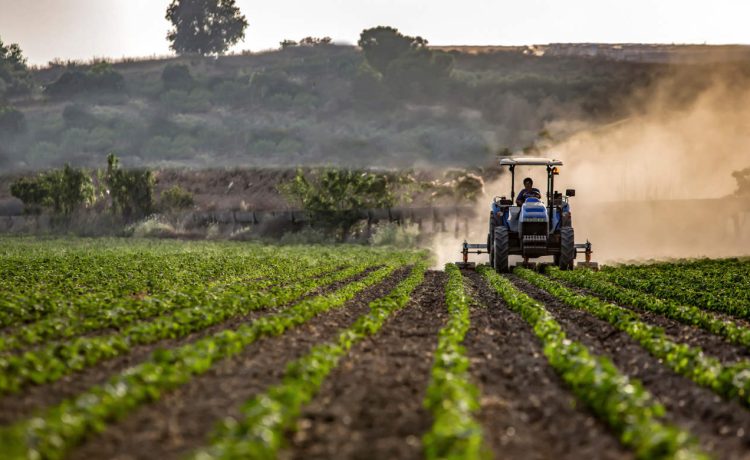
Nigeria’s agricultural sector recorded 3.2 per cent growth in the second quarter of 2026, signalling renewed momentum in one of the country’s most important economic sectors despite continuing security challenges, supply disruptions and rising food prices.
The reported growth represents a positive development for Nigeria’s agricultural economy, which remains central to the country’s food security, employment and rural development.
Agriculture provides livelihoods for millions of Nigerians, particularly in rural communities where farming and related activities remain major sources of income.
The sector’s growth comes against the backdrop of persistent challenges that have affected farmers and food producers across the country.
Insecurity has continued to disrupt farming activities in some areas, with farmers facing difficulties accessing their fields and transporting agricultural products to markets.
Rising production costs have also placed pressure on farmers, as the prices of inputs, transportation and other essential resources remain significant concerns.
Despite these difficulties, the 3.2 per cent growth suggests that the agricultural sector is demonstrating resilience and maintaining its contribution to the wider economy.
The performance could also provide encouragement for government efforts to increase food production and reduce the country’s dependence on imported agricultural products.
However, the growth figures also highlight the need for sustained investment in the sector.
Agricultural stakeholders have repeatedly called for improved access to finance, modern equipment, irrigation facilities, storage infrastructure and better rural roads.
These investments are considered necessary to ensure that growth is sustained and translated into increased food availability and lower prices for consumers.
Security remains another critical issue.
Farmers in areas affected by conflict and criminal activities may be unable to cultivate their land or harvest their crops safely.
Improving security in farming communities could therefore play an important role in unlocking greater agricultural productivity.
The sector also faces the challenge of post-harvest losses, with inadequate storage and processing facilities resulting in significant quantities of agricultural produce being wasted.
Strengthening value chains could help farmers earn more from their products while improving food availability throughout the year.
The reported growth also comes as the government continues to pursue initiatives aimed at strengthening agricultural financing and research.
The operationalisation of the National Agricultural Development Fund is among the measures expected to support agricultural research, innovation and commercialisation.
Greater investment in agricultural research could help farmers adopt improved production methods and technologies capable of increasing yields.
Climate change is another issue that requires attention, as changing rainfall patterns, flooding and extreme weather events continue to threaten agricultural productivity.
Experts believe that climate-smart farming techniques and improved irrigation systems will be increasingly important in protecting farmers from environmental risks.
While the 3.2 per cent growth is encouraging, maintaining the momentum will require coordinated efforts from government, financial institutions, private investors and farmers.
The government will also need to ensure that agricultural policies translate into practical support for producers at the grassroots level.
For consumers, stronger agricultural growth could eventually contribute to improved food supplies and greater stability in food markets.
However, the benefits may take time to become fully visible, particularly as farmers continue to deal with high production costs and other structural challenges.
The latest performance nevertheless provides a positive signal for Nigeria’s agricultural sector.
With sustained investment, improved security and stronger support for farmers, the sector could play an even greater role in driving economic growth, creating jobs and strengthening national food security.