Somalia is facing renewed debate over how the country can move from an economy heavily dependent on humanitarian assistance towards one built more strongly on production, investment and job creation.
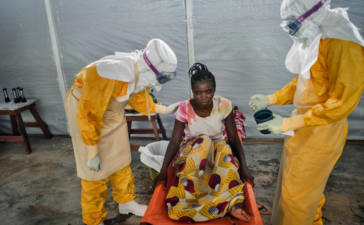
For more than three decades, international aid has played a major role in helping Somalia respond to war, drought, famine and the collapse of state institutions. Aid agencies, NGOs and international organisations have provided essential services, including food, healthcare, water and emergency support. However, a growing discussion is now focusing on whether a system originally created to respond to emergencies can also support long-term economic development.
The debate comes at a difficult time for Somalia, as humanitarian funding cuts are already affecting vulnerable communities. UNICEF recently warned that nearly 1.9 million Somali children could suffer from malnutrition in 2026, while more than 200 health and nutrition facilities have reportedly closed following reductions in international aid.
This means Somalia faces a delicate challenge. The country still needs humanitarian assistance to save lives, but at the same time, it must create stronger local systems that allow more people to earn a living through businesses and productive work.
A major issue is unemployment. According to figures highlighted in the current economic debate, hundreds of thousands of young Somalis enter the labour market every year, while the number of available jobs remains far smaller. The private sector already plays an important role in creating employment, but businesses continue to face challenges involving infrastructure, finance, security and regulation.
Economic experts argue that Somalia needs to place greater attention on industries that can create jobs and produce goods locally. There are signs of progress in areas such as food processing, manufacturing, construction and agriculture, with businesses and workshops gradually rebuilding the country’s productive base after decades of conflict.
The country is also looking at sectors where it already has major economic potential. Agriculture and livestock remain important parts of Somalia’s economy, while new efforts are being made to strengthen industries connected to food production and livestock development. The African Union has also supported reforms aimed at improving Somalia’s feed and fodder sector and reducing dependence on external assistance.
The central argument is not that humanitarian aid should suddenly disappear. Millions of people still depend on emergency assistance, especially those affected by drought, conflict and displacement. Instead, the discussion is about finding a balance between saving lives today and building an economy capable of creating opportunities tomorrow.
The World Bank has warned that Somalia’s economic growth faces continued risks from aid reductions, climate shocks and limited productive capacity. The country’s economy is projected to grow in 2026, but the outlook remains vulnerable to drought, food insecurity and global economic pressures.
For Somalia, the long-term goal will be to create an economy where more people can work, invest, trade and build businesses without relying heavily on emergency programmes. Achieving that will require stronger government institutions, better infrastructure, access to finance and policies that support local businesses.
As international aid continues to face pressure, the question of how Somalia can move from survival to sustainable production is becoming increasingly important for the country’s future.