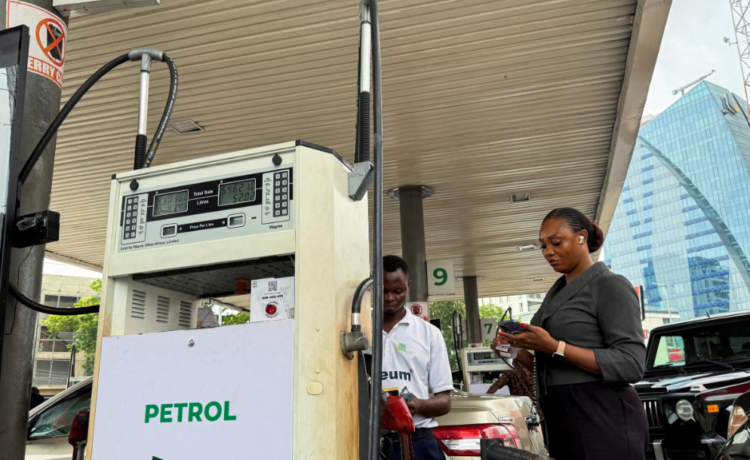
The Nigerian National Petroleum Company Limited (NNPC) has extended its ₦66-per-litre petrol discount until October 31, 2026, providing motorists with additional relief amid rising fuel prices.
The extension was reported by Punch Newspapers on October 9, following the oil company’s decision to continue the temporary discount beyond its initial period.
The initiative was introduced on October 1 to mark Nigeria’s 66th Independence Anniversary and was designed to help reduce the immediate burden of high petrol prices on consumers.
Under the arrangement, NNPC said the discount would continue throughout October at its retail outlets nationwide.
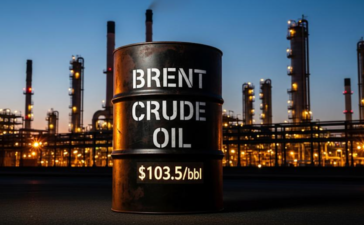
The move comes as global crude oil prices face upward pressure linked to the conflict in the Middle East and concerns about energy supplies.
Why the discount was extended
Fuel prices affect a wide range of economic activities in Nigeria.
Transport operators rely on petrol to run vehicles, while many households and businesses depend on petrol-powered generators because of electricity supply challenges.
When petrol prices increase, transport fares, delivery charges and the operating costs of small businesses can also rise.
Food prices may be affected because farmers, wholesalers and retailers need fuel to move goods from farms and markets to consumers.
The extension of the discount is intended to provide temporary relief from these pressures.
According to Punch, NNPC’s decision forms part of broader efforts to cushion households and businesses against the effects of elevated global crude oil prices.
NNPC’s retail margin arrangement
The discount is linked to NNPC’s decision to forgo its retail profit margin on petrol during the promotional period.
The company said the measure would allow it to offer petrol at a discounted cost through its own retail network.
However, the arrangement should not be confused with a full return to Nigeria’s former nationwide petrol subsidy system.
A temporary retail discount is different from a government-wide subsidy programme, which may involve broader fiscal commitments and different pricing arrangements.
Consumers should also be aware that the discount applies to the company’s participating retail outlets under the announced arrangement. Actual pump prices and availability may vary according to prevailing conditions and implementation.
Impact on transport operators and small businesses
The extension could help motorists and some commercial users reduce their fuel expenses during the remaining weeks of October.
For transport operators, even a modest reduction in the cost of each litre can make a difference when vehicles consume substantial quantities of fuel daily.
Small businesses that depend on generators may also benefit, particularly those operating in areas where reliable electricity is limited.
However, the overall effect on household budgets will depend on the size of the discount relative to petrol prices and how much fuel each consumer purchases.
The discount alone may not reverse increases in transport fares or food prices that have already occurred.
Questions about long-term fuel affordability
While temporary discounts can provide immediate assistance, Nigeria continues to face the broader challenge of making energy affordable and reliable.
Sustainable improvements may require better electricity supply, efficient transport systems, stronger domestic energy infrastructure and policies that reduce the cost of moving goods.
The country must also consider how global crude oil prices, exchange-rate movements and the cost of importing or distributing refined products affect domestic fuel prices.
For businesses, predictable energy costs are important for planning and investment. For households, affordable transport and electricity can help protect disposable income.
What motorists should know
The announced extension means the ₦66-per-litre discount is scheduled to continue at NNPC retail outlets through October 31, 2026.
Motorists should confirm the displayed pump price at individual stations rather than assume that every outlet or independent marketer is operating under the same arrangement.
The initiative offers temporary relief, but its long-term economic impact will depend on wider energy-market conditions and the policies adopted to improve fuel affordability.