Renewed fighting in northern Ethiopia has raised concerns about a wider conflict in the Horn of Africa, following developments in the Tigray region and escalating tensions between Ethiopia and neighbouring Eritrea.
Reports published on October 11 said forces allied with the Ethiopian government had retaken Mekelle, the regional capital of Tigray, after renewed clashes with opposition forces. The development represents a significant change in control of an area that experienced a devastating war between 2020 and 2022.
Ethiopian Airlines also resumed flights to Mekelle on Sunday after services were disrupted following the seizure of the city’s airport by forces associated with the Tigray People’s Liberation Front (TPLF).
The renewed fighting has raised questions about the durability of the peace agreement reached in 2022 to end the previous conflict.
Fragile peace faces new pressure
The earlier war in Tigray caused widespread destruction, displacement and severe humanitarian suffering. Thousands of people lost access to essential services, while many communities experienced food shortages and the collapse of healthcare facilities.
The 2022 peace agreement was intended to end hostilities and create conditions for political dialogue, reconstruction and the restoration of public services.
However, renewed clashes suggest that important political and security disagreements remain unresolved.
Getachew Reda, a former Tigray leader now serving as an adviser to Ethiopian Prime Minister Abiy Ahmed, promised visible changes in the region after arriving in Mekelle, according to the Associated Press.
The government faces the challenge of restoring stability while addressing the concerns of residents who have endured years of insecurity.
Ethiopia and Eritrea exchange accusations
Tensions between Ethiopia and Eritrea have added another dimension to the crisis.
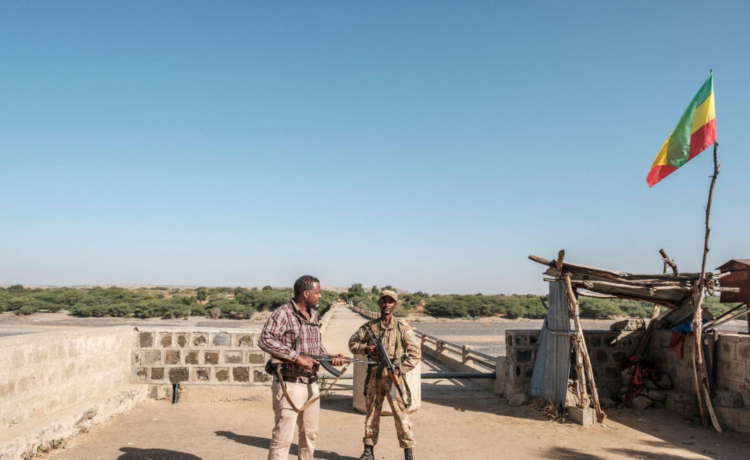
Ethiopia has accused Eritrea of sending troops across its border and supporting armed groups operating against the Ethiopian government. Eritrea has rejected the accusations and has also accused Ethiopia of pursuing access to the Red Sea in ways that threaten Eritrean sovereignty.
The competing claims have increased diplomatic tensions between the two countries, which have a long history of conflict.
The relationship between Ethiopia and Eritrea has strategic importance because of their location in the Horn of Africa, close to major international shipping routes through the Red Sea and the Gulf of Aden.
A direct confrontation could create serious security and economic consequences for both countries and neighbouring states.
Humanitarian concerns grow
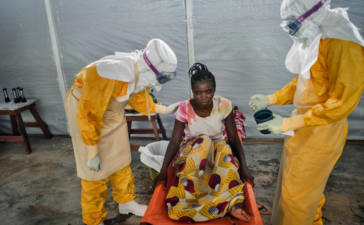
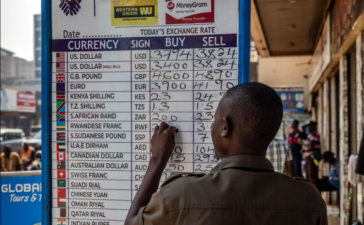
For civilians in Tigray, renewed violence threatens access to healthcare, food, banking services and communications.
Businesses may also struggle to operate if transport routes become unsafe or infrastructure is damaged. Disruptions to aviation and trade can further limit economic recovery.
The United Nations has called for an immediate ceasefire and renewed dialogue to prevent further escalation.
Diplomatic engagement, humanitarian access and the protection of civilians will be essential if the region is to avoid another prolonged conflict.
What happens next?
The situation remains fluid, with competing claims from the parties involved and limited independent verification of some developments.
Regional governments and international organisations will be watching closely to determine whether the renewed clashes remain localised or develop into a wider confrontation.
A lasting solution will require more than changes in territorial control. It will also depend on political negotiations, security guarantees and efforts to rebuild trust between communities.
The coming days will be important in determining whether dialogue can prevent further violence in one of Africa’s most strategically important regions.