High-Level Power Town Hall Reaffirms 24-Hour Energy Goals
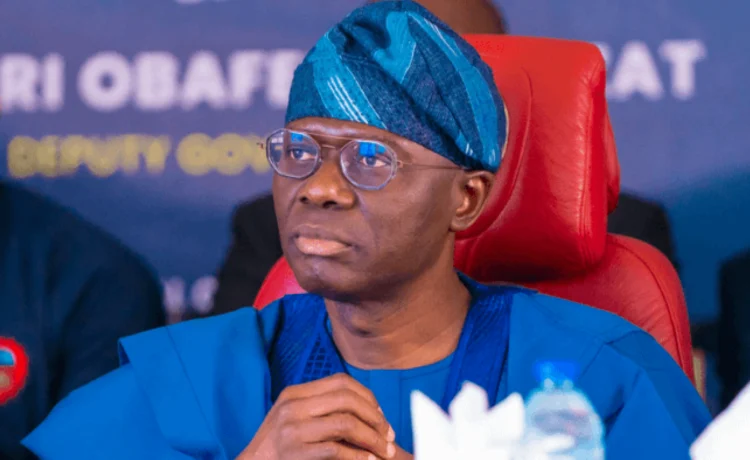
Governor Babajide Sanwo-Olu reaffirmed his commitment to ending persistent power blackouts across Lagos State today. Specifically, the governor spoke at a high-level power town hall meeting hosted at Lagos House in Marina.
State officials and private stakeholders met to build practical solutions for generation, transmission, and distribution bottlenecks. Consequently, the state government aims to boost available electricity supply rapidly to 3,500 megawatts.
Regulators, power distributors, transmission operators, and international investors attended the strategic industry meeting. Therefore, stakeholders focused on turning massive local energy demand into a structured, investable market.
Governor Sanwo-Olu called for smart metering, better data management, and revenue assurance to attract private capital. In short, coordinated state action aims to deliver reliable 24-hour electricity to homes and businesses.
Developing the Clean Lagos Electricity Market
Federal power representatives noted that Lagos currently requires over 6,000 megawatts to run its economy efficiently. However, the state receives far less power from the national grid due to transmission constraints.
Presidential power advisors explained that Nigeria must build a functional, self-sustaining electricity market. Moving away from state-backed guarantees allows private investors to fund generation and gas supply projects directly.
Furthermore, recent constitutional amendments allow individual states to establish and regulate their own electricity markets. The proposed Clean Lagos Electricity Market offers a practical model for bilateral power contracts and open access.
Establishing clear payment assurance structures encourages private generators to supply power directly to high-demand industrial zones. Thus, decentralized market regulation provides a sustainable path toward reliable grid power.
Eliminating Energy Theft and Upgrading Local Infrastructure
State energy officials emphasized that improved electricity supply must accompany fair billing and transparent metering. Furthermore, consumers should not pay elevated tariffs for unreliable power or frequent blackout periods.
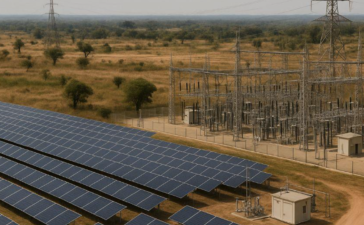
To improve distribution, newly commissioned substations will add vital capacity to the local power grid. Additionally, state regulators will monitor selected distribution feeders to measure daily improvements in power delivery.
However, regulatory leaders warned that energy theft, equipment vandalism, and unpaid bills hurt market liquidity severely. Non-payment distorts the energy market and prevents distribution companies from expanding their networks.
Consequently, the state is also exploring embedded off-grid generation to reduce complete reliance on the national grid. Ultimately, active stakeholder collaboration will transform the local energy sector into a modern economic engine.