Russia’s agricultural exports to Africa recorded strong growth in the first half of 2026, highlighting the country’s expanding food trade relationship with the continent as African nations seek reliable supplies amid rising demand and continued uncertainty in global agricultural markets.
Russia exported more than 11 million metric tons of agricultural products worth approximately $2.9 billion to African countries between January and June 2026. The figures represent a 40 per cent increase in export volumes and a 35 per cent rise in value compared with the same period of the previous year.
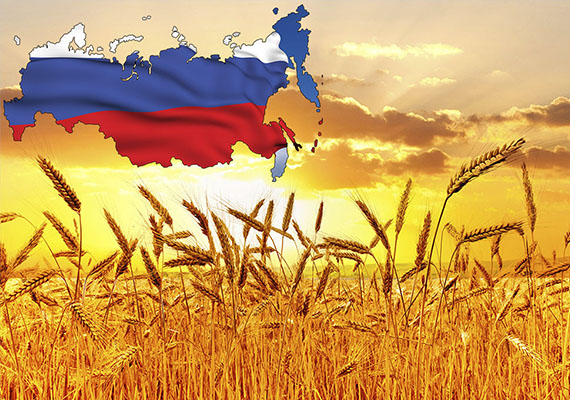
Wheat remained the dominant product in Russia’s agricultural shipments to Africa, accounting for more than 90 per cent of total exports. Approximately 10.2 million metric tons of wheat were shipped to African markets during the six-month period, reinforcing Russia’s growing importance as a major supplier of staple grains to the continent.
Other agricultural products exported to African countries included barley, soybean oil, sunflower seed meal, beet pulp and molasses. The diversity of products reflects the expanding nature of Russia-Africa agricultural trade, which extends beyond traditional grain shipments.
Egypt continued to be Russia’s largest African market during the period under review, importing approximately 4.9 million metric tons of agricultural products. The North African country has remained a major destination for Russian wheat and other food commodities due to its large population and significant demand for imported grains.
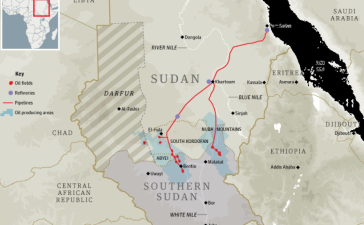
Sudan ranked among the leading buyers, with its purchases from Russia increasing by 62 per cent. The rise comes as Sudan continues to face significant food security challenges, making access to international grain markets increasingly important.
Kenya recorded one of the fastest growth rates among African importers, with purchases of Russian agricultural products increasing nearly tenfold. The sharp increase suggests that Russia is gaining greater access to East African markets, where demand for affordable and dependable food supplies continues to grow.
Algeria and Libya also ranked among Russia’s leading African customers, further demonstrating the strength of the country’s agricultural trade relationships across North Africa.
The increase in exports comes as African countries continue to strengthen efforts to secure stable food supplies. Population growth, urbanisation and changing consumption patterns are driving demand for grains and other agricultural commodities across the continent.
Global disruptions to supply chains and fluctuations in international commodity markets have also encouraged African governments and businesses to diversify their sources of food imports. Russia’s position as one of the world’s leading wheat producers has allowed it to expand its role in meeting this demand.
The growing trade relationship also has broader economic and geopolitical implications. As Russia faces restrictions and changing trade conditions in some Western markets, deeper commercial ties with Africa provide opportunities to expand its export markets and strengthen economic partnerships.
For African countries, increased access to Russian agricultural products could help improve food availability and provide additional options for sourcing essential commodities. However, the sustainability of these trade relationships will depend on logistics, pricing, payment mechanisms and the ability of exporters and importers to maintain reliable supply chains.
The latest figures nevertheless point to a significant expansion in Russia-Africa agricultural trade. With more than 11 million metric tons of products shipped in just six months, Russia is increasingly positioning itself as a major supplier to African food markets.
The trend could continue as African nations seek to diversify food import sources and strengthen food security, while Russia looks to deepen its economic engagement with a continent that represents an increasingly important market for agricultural exports.