The Nigerian Midstream and Downstream Petroleum Regulatory Authority, NMDPRA, is considering its legal options following a Federal High Court order restricting it from shutting down or interfering with operations at the Dangote Petroleum Refinery in the Lekki Free Zone.
The dispute could become an important test of the extent of the petroleum regulator’s authority over midstream and downstream businesses operating within Nigeria’s designated free trade zones.
A Federal High Court sitting in Lagos last week granted an interim injunction restraining the NMDPRA from shutting down or interfering with the refinery’s operations.
Justice Akintayo Aluko issued the order following an ex parte application in suit number FHC/L/CS/1174/26, brought by Dangote Petroleum Refinery Nigeria Limited.
The application was argued by a legal team led by Olawale Akoni and Abimbola Akeredolu.
Dispute Follows Loading Suspension Directive
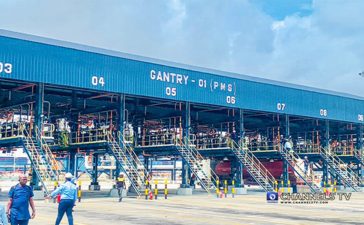
The refinery approached the court following an August 24, 2026 letter in which the NMDPRA allegedly directed the suspension of loading and truck-out of petroleum products from the facility.
In considering the application, Justice Aluko said the court had examined the affidavit evidence, exhibits and arguments presented by the refinery’s lawyers, including the regulator’s letter.
At the heart of Dangote Refinery’s argument is its position that the NMDPRA does not possess regulatory or oversight authority over its operations because the refinery is situated within the Dangote Industrial Free Zone.
The interim injunction means the regulator is presently restricted by the court order pending further proceedings; it does not by itself amount to a final judicial determination of the wider jurisdictional dispute.
That distinction could become crucial as both sides develop their arguments.
Regulatory Authority Faces Major Test
The implications extend beyond Dangote Refinery.
NMDPRA regulates Nigeria’s midstream and downstream petroleum sector, covering activities that include refining, transportation, storage, distribution and retail aspects of the petroleum value chain.
The emerging legal question, however, is how that regulatory mandate interacts with the legal framework governing enterprises located in free trade zones.
A final decision limiting NMDPRA’s jurisdiction could potentially have implications for other petroleum businesses operating within such zones.
Conversely, a decision affirming the regulator’s authority could reinforce the application of petroleum-sector regulation irrespective of free-zone status.
Refinery’s Strategic Importance Raises Stakes
The dispute carries additional significance because of the scale of Dangote Refinery and its growing role in Nigeria’s domestic petroleum-products market.
Nigeria has historically depended heavily on imported refined petroleum products despite being a major crude oil producer. The emergence of large-scale domestic refining capacity has therefore altered the structure of the downstream market.
That transformation makes questions surrounding regulation, product movement and the relationship between the refinery and government agencies commercially important.
For now, attention will shift to the NMDPRA’s next legal step and the substantive arguments before the Federal High Court.
Until the court reaches a final determination, the broader question of where petroleum regulation ends and free-zone protections begin is likely to remain contested.