International pressure on Iran has intensified after the United Nations nuclear watchdog warned that it remains unable to verify significant parts of Tehran’s declared nuclear material, as the United States and three European powers push to refer the issue to the UN Security Council.
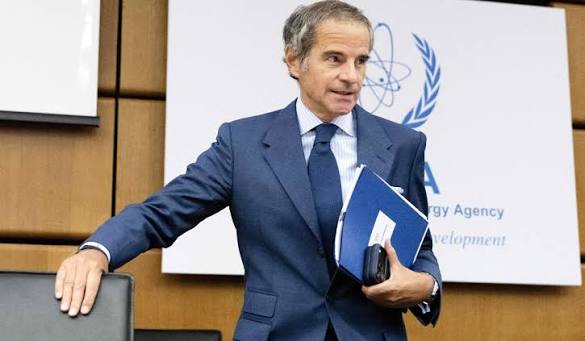
International Atomic Energy Agency Director-General Rafael Grossi told the agency’s Board of Governors that Iran had not provided sufficient information during the latest reporting period on the condition of declared nuclear material and facilities.
Inspectors have also been unable to carry out the on-site verification required to determine the status of some of Iran’s nuclear material.
Grossi said it had been more than a year since the IAEA lost “continuity of knowledge” over previously declared stocks of uranium enriched to as much as 60 per cent at facilities affected by US and Israeli attacks in June 2025.
He described the continued lack of information and access as a proliferation concern requiring urgent action.
Western Powers Push Security Council Referral
France, Germany, the United Kingdom and the United States are seeking support from the IAEA’s 35-member Board of Governors for a resolution concerning Iran.
The proposed measure would instruct Grossi to transmit the resolution, previous decisions by the board and his latest report to the UN Security Council and General Assembly.
It would mark a significant escalation in the long-running dispute surrounding Iran’s nuclear activities.
The four governments are also demanding that Tehran provide inspectors with the information and access necessary to determine the status of its declared nuclear material.
Iran insists its nuclear programme is intended for peaceful purposes and has rejected accusations that it is seeking to develop nuclear weapons.
Tehran Blames Attacks for Inspection Problems
Iran has pushed back against the proposed resolution.
Foreign Ministry spokesman Esmaeil Baghaei said restrictions facing IAEA inspectors were a consequence of attacks by the United States and Israel against Iranian nuclear facilities.
Tehran argues that Western governments cannot attack nuclear infrastructure and then hold Iran responsible for the resulting difficulties encountered by inspectors.
Baghaei warned that Iran would take what he described as “necessary measures” if Western governments proceed with the resolution.
The wording of the proposed measure was still being negotiated, meaning its final form could change before being formally considered by the board.
Nuclear Dispute Meets Wider Middle East Crisis
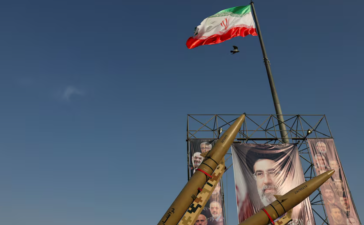
The nuclear confrontation is unfolding against a much broader escalation between Iran and the United States.
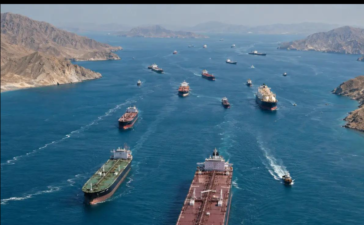
Military exchanges and disruption around the Persian Gulf have increased fears that the nuclear dispute could become even more closely intertwined with the regional conflict.
That combination raises the stakes for the IAEA.
The agency’s inspection system is designed to provide independent verification that declared nuclear material is not diverted towards prohibited military purposes. Prolonged gaps in monitoring make it increasingly difficult to reconstruct a reliable picture of a country’s nuclear inventory.
Even if the IAEA board approves a referral, however, agreement on punitive measures at the Security Council is far from guaranteed.
Russia and China, both permanent members of the council with veto powers, could oppose attempts by Western governments to impose additional measures against Tehran.
The immediate diplomatic challenge will therefore be whether Iran and the IAEA can restore meaningful inspections before the confrontation escalates further.