Ethiopia has moved closer to a major change in its political system after a national dialogue endorsed plans to create an executive presidency that would combine the roles of president and prime minister.
The proposal was backed after weeks of discussions involving about 4,000 delegates who gathered to address some of the country’s most serious political and social challenges. The dialogue concluded on August 22, with delegates overwhelmingly supporting the proposed constitutional changes.
Under the proposed system, Ethiopia’s largely ceremonial presidency would be merged with the powerful position of prime minister. This would create a single executive president with significantly greater authority over the government.
The proposal could be presented to parliament when lawmakers return in October. If approved, it would represent one of the most significant changes to Ethiopia’s political structure since the current constitution was introduced.
Prime Minister Abiy Ahmed, who has led Ethiopia since 2018, is widely expected by observers to be a potential candidate for the new position if the proposal becomes law. His Prosperity Party secured another landslide victory in the June elections, giving the party significant influence in parliament.
Supporters of the proposal argue that an executive presidency could help create stronger and more unified national leadership. They say the current political system has contributed to disagreements between institutions and has struggled to address Ethiopia’s deep ethnic and regional divisions.
The proposed system would also give the president a broader national role, rather than having the country’s leader primarily associated with a particular regional constituency.
However, critics have raised concerns that the reforms could concentrate too much political power in one office.
Opposition figures argue that the proposed changes could make it easier for Abiy Ahmed to strengthen his hold on power, particularly because parliament is dominated by his ruling party.
The national dialogue itself has also faced criticism. Several major opposition parties boycotted the process, while armed groups were excluded from the discussions. Critics therefore question whether the recommendations represent the views of all sections of Ethiopian society.
Ethiopia is also dealing with continuing security challenges, including armed conflicts and insurgencies in parts of the country. There are concerns that renewed tensions in the Tigray region could also threaten the country’s stability.
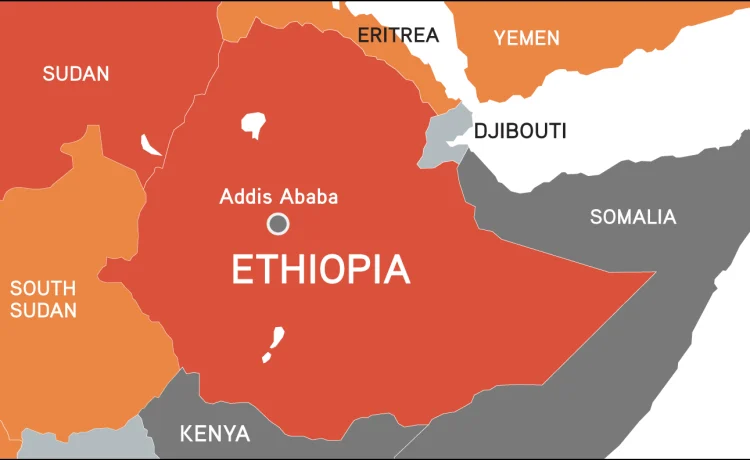
Another contentious issue discussed during the dialogue was the status of Addis Ababa, Ethiopia’s capital. The city is surrounded by Oromia and its political and territorial status has been a source of disagreement between different groups. Some delegates reportedly walked out during discussions on the issue.
The proposed constitutional changes could therefore have major consequences for Ethiopia’s political future. Supporters see them as an opportunity to strengthen national unity and improve governance, while opponents fear they could weaken political checks and balances.
The next major step will come when parliament considers the recommendations in October. The outcome could determine whether Ethiopia moves towards a stronger presidential system or maintains its existing political structure.