The Democratic Republic of the Congo (DRC) is facing an escalating Ebola outbreak that health authorities say has become the country’s fastest-growing outbreak of the deadly disease.
More than 100 days after the outbreak was officially declared, the World Health Organization (WHO) says transmission is still outpacing efforts to control the virus. The outbreak is caused by the Bundibugyo strain of Ebola, and health officials are warning that stronger action is urgently needed to prevent further spread.
According to WHO’s latest update, released on August 24, more than 5,200 confirmed cases had been recorded. The outbreak has spread to six provinces, with Ituri Province remaining the epicentre, accounting for the majority of reported infections and deaths. WHO said the country has recorded an average of about 90 confirmed cases daily during the first three months of the outbreak.
The situation is particularly worrying because the outbreak is expanding faster than control measures. Health authorities are battling several challenges, including insecurity, armed conflict, population displacement, attacks on health facilities and difficulties reaching remote communities.
Community resistance and misinformation have also made it harder for health workers to trace contacts, identify new infections early and encourage people showing symptoms to seek medical care quickly. WHO has stressed that community cooperation will be essential to stopping the outbreak.
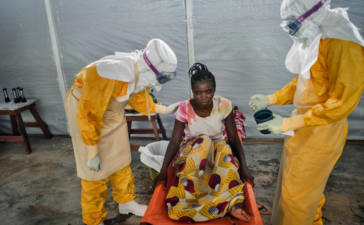
Despite the difficult situation, health authorities have made progress in expanding the emergency response. Laboratory capacity has increased significantly, while treatment centres and infection-prevention programmes have been expanded.
WHO says more than 2.5 million people have been reached through community engagement activities. Contact follow-up has also improved substantially, showing that intensified response measures can make a difference.
Scientists and international health organisations are also working to develop and test possible vaccines and treatments for the Bundibugyo strain. Unlike some other Ebola strains, there is currently no specifically licensed vaccine or treatment for this strain, making prevention, early detection and supportive medical care especially important.
The crisis has also raised concerns beyond the DRC’s borders. WHO and neighbouring countries are strengthening cross-border surveillance and preparedness to quickly detect and contain any imported cases.
On the positive side, WHO officially declared the Ebola outbreak in neighbouring Uganda over on August 26 after confirming that there were no remaining chains of transmission. However, officials warned that the situation in the DRC remains highly active and requires continued international support.
WHO says the coming weeks and months will be critical. The organisation has called for sustained funding, stronger community engagement, improved surveillance and greater international cooperation to bring the outbreak under control.