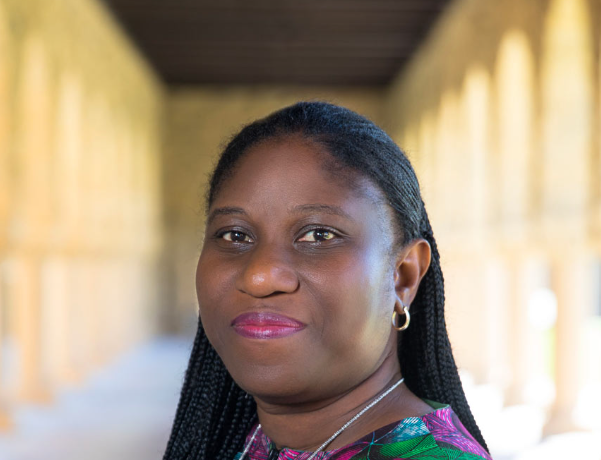
The Executive Director and Chief Executive Officer of the Wole Soyinka Centre for Investigative Journalism, Motunrayo Alaka, has advised journalists to remain committed to excellence and public service, stressing that money should not be the major driving force behind their work.
Alaka gave the advice while speaking to journalists and media professionals, where she highlighted some of the qualities needed to build a successful and respected career in journalism.
According to her, journalists should see their profession as a platform for serving society and holding people in positions of authority accountable.
She noted that while financial rewards are important, journalists should not allow the pursuit of money to determine the quality or direction of their work.
“Money should not be the driving force for service,” Alaka said, urging media professionals to remain committed to the values of journalism even when the financial benefits are not immediate.
She encouraged journalists to develop themselves continuously by learning new skills and keeping up with developments in the media industry.
Alaka also stressed the importance of professionalism, integrity and credibility, noting that journalists must be able to earn the trust of the public through accurate and responsible reporting.
She advised media practitioners to take their work seriously and understand the impact their reports can have on individuals, institutions and society.
According to her, journalists who want to excel must be willing to go beyond the routine and produce stories that provide value to their audiences.
She further encouraged journalists to embrace investigative journalism and use available tools and resources to uncover issues that affect the public.
The CEO also highlighted the need for journalists to remain curious and ask questions, particularly when dealing with issues involving public interest.
She said journalists should not be satisfied with simply reporting what they are told but should seek to establish facts and provide the necessary context in their stories.
Alaka’s advice comes at a time when the Nigerian media industry is undergoing significant changes, with digital platforms, social media and new technologies changing how news is produced and consumed.
She urged journalists to adapt to these changes while maintaining the basic principles of journalism.
She also encouraged young journalists to seek mentorship from experienced professionals and build relationships that could help them grow in their careers.
According to her, journalism requires dedication and continuous learning because the profession continues to evolve.
Alaka has been involved in several initiatives aimed at strengthening investigative journalism and supporting journalists in Nigeria. Through the Wole Soyinka Centre for Investigative Journalism, she has worked with media professionals and organisations on issues including investigative reporting, media development and accountability.
Her message to journalists was therefore centred on the need to place public interest, professional ethics and excellence at the heart of their work.
She said journalists who remain committed to service and continuous improvement can make meaningful contributions to society while building sustainable careers.
Alaka’s counsel also emphasised that success in journalism should not be measured only by financial rewards. Rather, journalists should consider the impact of their work, the trust they earn and their contribution to society.