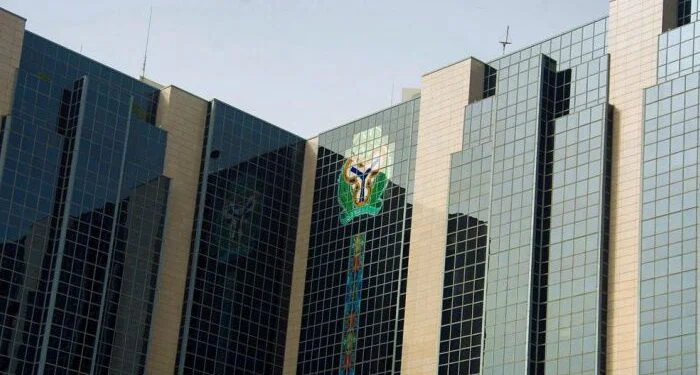
The Central Bank of Nigeria (CBN) has reduced its benchmark interest rate, known as the Monetary Policy Rate (MPR), from 26.5 per cent to 23 per cent, in a major decision announced after its 307th Monetary Policy Committee (MPC) meeting in Abuja.
CBN Governor, Olayemi Cardoso, announced the decision on Tuesday, September 22, 2026, following the two-day MPC meeting held from September 21 to 22. The reduction represents a 350-basis-point cut and brings the benchmark rate down to its lowest level since February 2024.
The CBN said the decision was aimed at realigning its benchmark rate with prevailing conditions in the financial market and improving the transmission of monetary policy across the economy.
Cardoso explained that the adjustment should not simply be interpreted as a broad shift towards monetary easing. According to the governor, the decision was an operational reset designed to make the MPR more effective as the main signal for interest rates in the economy.
The MPC also recalibrated the Standing Facilities Corridor to +50/-300 basis points around the MPR. However, it retained the Cash Reserve Requirement at 45 per cent for deposit money banks and 16 per cent for merchant banks. The requirement for non-Treasury Single Account public-sector deposits was also retained at 75 per cent.
The rate reduction comes as Nigeria records continued moderation in inflation. Headline inflation fell slightly to 15.39 per cent in August 2026, from 15.43 per cent in July. Food inflation also declined from 20.31 per cent to 19.57 per cent, while core inflation dropped from 14.97 per cent to 13.29 per cent.
The central bank also pointed to improvements in Nigeria’s external position. Gross external reserves stood at $55.25 billion as of September 18, which the CBN said was the highest level in 18 years and represented about 11.3 months of import cover.
The decision has also generated calls from businesses for commercial banks to reduce lending rates. The Nigeria Employers’ Consultative Association (NECA) welcomed the CBN’s decision but stressed that the reduction should translate into cheaper credit for businesses.
For businesses, cheaper borrowing could potentially reduce financing costs and make it easier for companies to obtain funds for expansion, working capital and investment. However, the actual effect will depend on how quickly commercial banks adjust their lending rates and other charges.
The CBN has meanwhile warned that it will continue to monitor liquidity, inflation, foreign exchange demand and other economic indicators. Cardoso said the bank was prepared to use appropriate tools to control excess liquidity, particularly as Nigeria approaches another election cycle.
The MPC is scheduled to hold its next meeting on November 23 and 24, 2026, when it will reassess economic conditions and determine its next monetary policy direction.