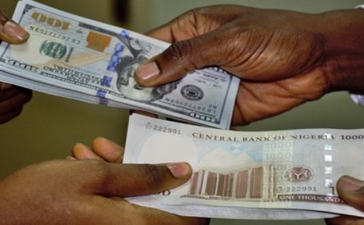
Petroleum marketers owe more than N431 billion in legacy transport and bridging obligations to Nigeria’s downstream petroleum regulator, according to findings contained in the Auditor-General’s latest report.
The Office of the Auditor-General for the Federation identified more than N432 billion in unpaid debts, statutory levies and other outstanding obligations involving marketers and the Nigerian Midstream and Downstream Petroleum Regulatory Authority, NMDPRA.
The largest component was N431.01 billion in legacy National Transport Average and bridging allowance debts owed by petroleum marketers.
The figures were contained in the Auditor-General’s 2024 Annual Report on Non-Compliance and Internal Control Weaknesses in Ministries, Departments and Agencies.
Wider Financial Irregularities Identified
Beyond the petroleum sector, the report linked Federal Government ministries, departments and agencies to at least N1.39 trillion in recurring financial irregularities, breaches of public finance rules and weaknesses in internal controls during 2024.
The amount represented the cumulative value of 30 monetary cross-cutting issues identified by the Auditor-General.
The findings highlight longstanding concerns over the recovery of government revenue and the effectiveness of financial controls across public institutions.
For the petroleum sector, the size of the outstanding obligations could place additional pressure on regulators to strengthen collection mechanisms and improve reconciliation of historical liabilities.
The N431.01 billion identified as legacy National Transport Average and bridging allowance debts reflects obligations accumulated under previous petroleum distribution arrangements.
Revenue Recovery in Focus
The findings are likely to increase attention on how petroleum-sector revenues are tracked and recovered.
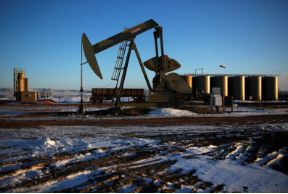
Nigeria’s petroleum industry remains one of the most important sources of government revenue, making unpaid statutory obligations particularly significant at a time when government agencies are under pressure to improve internally generated revenue.
The audit also raises questions about enforcement mechanisms available to regulators when companies fail to settle statutory obligations.
Greater recovery of outstanding debts could strengthen government finances while improving accountability across the petroleum value chain.
However, the process will also require clear reconciliation of historical obligations to ensure that liabilities are properly established and recovered.
The Auditor-General’s wider findings reinforce the need for stronger internal controls across ministries, departments and agencies if the government is to reduce recurring financial irregularities and improve the management of public resources.