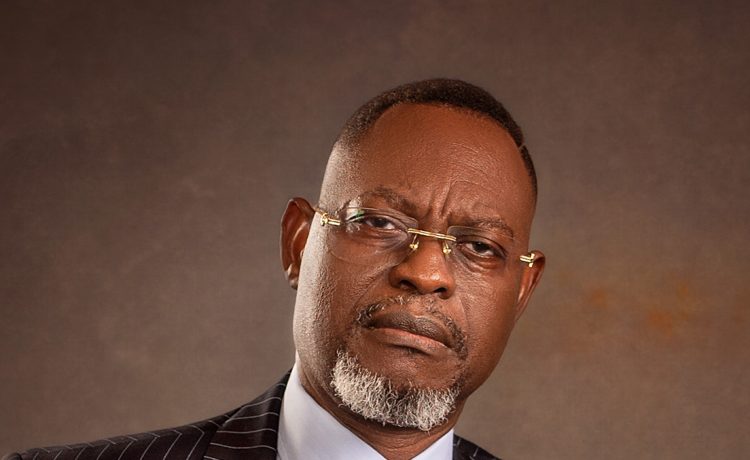
Dr Taiwo Afolabi has called for increased investment, collaboration and professionalisation of Nigeria’s creative industry, saying African indigenous knowledge must be transformed from cultural heritage into a sustainable source of innovation, economic value and opportunity.
Afolabi made the call at the 39th International Conference and 40th Annual General Meeting of the Society of Nigeria Theatre Artists, SONTA, held at Lead City University, Ibadan.
The event, which opened on August 19, 2026, was themed, “African Indigenous Knowledge Systems in Performance, Film and Sustainable Futures.”
Afolabi served as Chairman of the Occasion and was represented at the event by Olumuyiwa Akande, Group Head, Corporate Communications, SIFAX Group.
Indigenous knowledge as economic asset
Speaking at the conference, Afolabi described Nigeria’s indigenous knowledge as a significant but underutilised national asset.
He said generations of Africans had preserved their knowledge and cultural identity through storytelling, music, dance, drama, festivals, proverbs, traditional music and other cultural expressions.
According to him, theatre and film have important roles to play in preserving this heritage while repositioning it for contemporary audiences.
“The real opportunity before us is to transform indigenous knowledge into contemporary cultural and economic value,” he said.
Afolabi urged creative professionals, scholars, government agencies, businesses and cultural institutions to explore how indigenous stories could inspire globally competitive theatre productions and films.
He also encouraged the use of technology to document cultural knowledge that has traditionally been transmitted largely through oral traditions.
He said the combination of indigenous creativity and modern technology could help preserve cultural heritage, expand access to knowledge and create new opportunities for creative entrepreneurs.
Creative industry can drive economic growth
Afolabi noted that Nigeria’s creative industry had the potential to contribute significantly to economic development, employment generation, tourism, cultural diplomacy and the country’s global reputation.
He cited the international success of African music as evidence of what could be achieved when local creativity is professionally developed and presented to global audiences.
However, he stressed that achieving similar global influence in theatre, film and other indigenous cultural expressions would require sustained investment, professional standards, collaboration and a deliberate commitment to quality.
He said the success of Nigeria’s music industry should encourage stakeholders to develop other creative sectors capable of attracting international audiences and investment.
According to him, the creative industry must be supported with the structures, skills and resources required to turn talent into sustainable businesses.
Calls for stronger partnerships
Afolabi called for stronger partnerships among government, the private sector, academic institutions, creative professionals and cultural organisations.
He said businesses could contribute to the growth of the industry beyond traditional sponsorship by providing investment, technology, capacity building and platforms that would enable creative entrepreneurs to thrive.
He also urged stakeholders to develop practical initiatives that would improve access to funding, strengthen professional training and create opportunities for young people in the creative sector.
The Chairman encouraged participants at the conference to ensure that its deliberations produced practical ideas, partnerships and recommendations capable of influencing policy and strengthening Nigeria’s creative ecosystem.
“Let this conference be a bridge between our rich cultural past and the sustainable future we desire,” he said.
Afolabi added that indigenous knowledge should not be viewed merely as a memory of Africa’s past, but as a resource capable of shaping its future.
Authentic storytelling remains essential
The SIFAX Group executive further emphasised the importance of authenticity and responsible storytelling.
He urged African creatives to tell their stories in their own voices while avoiding stereotypes and presenting the continent’s diversity, ingenuity and cultural richness to international audiences.
According to him, African stories should reflect the realities, values and experiences of the people while remaining accessible and relevant to contemporary audiences.
He said responsible storytelling could help strengthen cultural identity, promote understanding and improve Africa’s image globally.
Afolabi also encouraged creative professionals to embrace innovation without losing the cultural foundations that make African artistic expressions distinctive.
Receives leadership award
At the event, Afolabi received the Grand Excellence in Leadership Award in recognition of his leadership and contributions to the development of the creative industry.
The recognition came as stakeholders continued discussions on the role of indigenous knowledge in performance, film and sustainable development.
The conference provided a platform for theatre artists, academics, cultural practitioners and other stakeholders to examine how African knowledge systems could be preserved, adapted and used to support future generations.
Afolabi’s call reinforces the need for a coordinated approach to developing Nigeria’s creative economy, with greater emphasis on investment, professionalisation, technology, collaboration and the creation of sustainable opportunities for creative talent.