The Network of Nigeria Maritime Journalists (NNMJ) is set to bring together government officials, maritime regulators, industry leaders and private-sector operators for a Unity Conference aimed at addressing major challenges facing Nigeria’s maritime industry.
The conference is scheduled for Friday, November 13, 2026, at the Airport Hotel, Ikeja, Lagos, and will begin at 11:00 a.m.
With the theme, “Seaport Modernisation, Trade Facilitation and Revenue,” the gathering will provide a platform for stakeholders to examine the performance, policy direction and operational efficiency of Nigeria’s maritime sector.
The conference is expected to focus on practical measures to improve port operations, strengthen maritime infrastructure, facilitate international trade and increase revenue generation.
According to information released by the organisers, the event will be chaired by Barrister Temisan Omatseye, a former Director-General of the Nigerian Maritime Administration and Safety Agency (NIMASA).
The Minister of Marine and Blue Economy, Adegboyega Oyetola, is expected to attend as the Special Guest of Honour, while renowned maritime lawyer, Barrister Emeka Akabogu, SAN, will deliver the keynote address.
The participation of these industry figures is expected to provide an opportunity for discussions on policy implementation, regulatory improvements and investment opportunities within Nigeria’s maritime sector.
Maritime Nigeria+2
Port modernisation takes centre stage
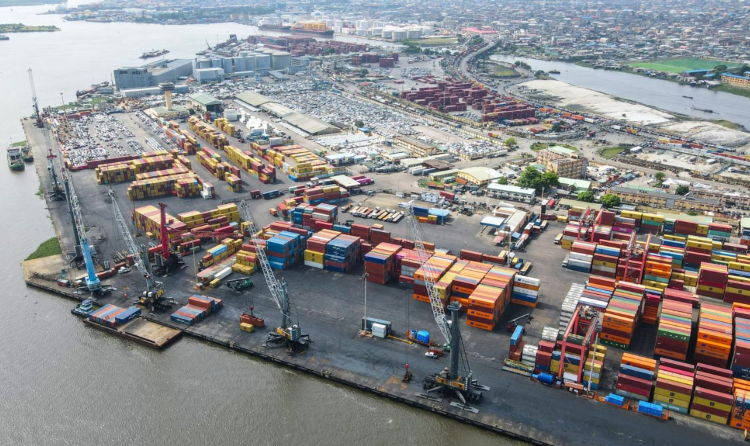
One of the major issues expected to dominate discussions is the modernisation of Nigeria’s seaports.
Efficient port infrastructure is essential to international trade because it determines how quickly goods are received, processed, cleared and transported to their final destinations.
However, improving port performance requires continuous investment in infrastructure, modern cargo-handling equipment, digital systems and efficient administrative procedures.
The conference is expected to examine ways of addressing operational challenges that affect port efficiency and the competitiveness of Nigerian ports.
Stakeholders will also consider the need to rehabilitate and renew critical maritime infrastructure to support increasing trade activities and improve service delivery.
Modernisation is particularly important as countries compete to attract shipping companies, cargo owners and international investors.
For Nigeria, improving port infrastructure could strengthen its position as a major maritime and commercial centre in West Africa.
Trade facilitation and ease of doing business
Trade facilitation is another important area expected to feature prominently at the conference.
Delays in cargo clearance, complicated documentation procedures and operational bottlenecks can increase the cost of doing business for importers, exporters and shipping companies.
Participants are expected to examine strategies for simplifying procedures, improving coordination among government agencies and strengthening the use of technology in port operations.
Better collaboration between regulatory agencies, terminal operators, shipping companies and freight forwarders could help reduce unnecessary delays and improve the movement of cargo.
The discussions are also expected to highlight the importance of creating a business environment that encourages investment and supports legitimate international trade.
Revenue generation and financial accountability
Revenue generation is also expected to form a major part of the discussions.
Nigeria’s maritime sector contributes to government revenue through port charges, customs duties, regulatory fees and other activities connected to shipping and international trade.
However, improving revenue performance requires transparency, effective monitoring and measures to prevent financial leakages.
The conference will provide an opportunity for stakeholders to discuss ways of strengthening revenue collection, improving accountability and ensuring that government agencies operate efficiently.
Participants are also expected to examine how improved port operations and stronger regulatory oversight can increase the sector’s contribution to national economic development.
Marine and blue economy investment opportunities
Beyond port operations, the conference is expected to explore opportunities within Nigeria’s wider marine and blue economy.
The marine and blue economy covers several activities, including shipping, fishing, aquaculture, shipbuilding, maritime transportation, offshore services and coastal tourism.
These activities have the potential to create employment, attract investment and support economic diversification.
Stakeholders are expected to consider how stronger policies, improved infrastructure and private-sector participation can help unlock these opportunities.
Maritime safety and security are also important to the industry’s development, as investors and shipping operators require a safe environment to conduct business.
Strengthening cooperation within the maritime industry
The NNMJ Unity Conference is also expected to strengthen relationships among maritime media organisations and industry stakeholders.
Maritime journalism plays an important role in reporting developments within the sector, monitoring government policies and promoting transparency.
Through informed reporting and constructive engagement, journalists can help create awareness about challenges affecting port operations, shipping activities and the wider marine and blue economy.
The organisers believe that bringing different stakeholders together will encourage meaningful discussions and generate recommendations that can support the development of Nigeria’s maritime industry.
The conference is expected to attract heads of government agencies, shipping company executives, terminal operators, freight forwarders, maritime professionals and other participants across the maritime value chain.
Ultimately, the success of the gathering will depend on the ability of stakeholders to translate discussions into practical recommendations and improvements.
As Nigeria continues to pursue growth in its marine and blue economy, efficient seaports, improved trade procedures, stronger revenue systems and sustained investment will remain important to building a competitive maritime industry.