International oil prices have declined as investors respond to renewed hopes of diplomatic discussions between the United States and Iran, easing some concerns about possible disruptions to global energy supplies.
The decline reflects changing market expectations surrounding the conflict and the possibility that negotiations could reduce tensions affecting important oil transportation routes in the Middle East.
According to market reports, Brent crude fell by more than four per cent on Monday, November 2, while United States West Texas Intermediate (WTI) crude also recorded a significant decline.
Brent crude dropped below $109 per barrel, while WTI fell to just under $100 per barrel during the trading session.
The decline followed comments from US Secretary of State Marco Rubio indicating that President Donald Trump preferred a diplomatic resolution and wanted to avoid further military action.
The statements encouraged some investors to reduce their expectations of an immediate escalation in the conflict.
Middle East tensions remain important to oil markets
The Middle East remains one of the world’s most important energy-producing regions.
Any conflict affecting oil production, export facilities or transportation routes can influence global energy prices.
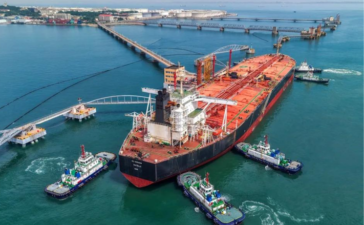
One of the major concerns for international energy markets has been the security of the Strait of Hormuz.
The waterway is a critical shipping route through which a substantial share of internationally traded oil passes.
Disruptions to shipping activities in the area can create supply concerns, increase transportation costs and push oil prices higher.
The possibility of military escalation has therefore remained an important factor influencing crude oil trading.
Diplomatic hopes influence investor sentiment
The latest decline in oil prices indicates that traders are responding to the possibility of reduced tensions.
When investors believe that a conflict may be resolved through negotiations, concerns about prolonged supply disruptions can ease.
This can encourage traders to sell some of their positions, particularly after prices have increased sharply during periods of heightened geopolitical uncertainty.
However, diplomatic expectations do not automatically translate into a lasting reduction in energy prices.
Markets must consider whether negotiations will produce concrete agreements and whether oil shipments can return to normal conditions.
Fresh military developments complicate the outlook
Despite the optimism surrounding diplomacy, tensions remain serious.
The Associated Press reported on November 3 that the United States had carried out limited defensive strikes against Iranian targets in the Strait of Hormuz following reported Iranian missile activity against US assets.
The latest military developments show that the diplomatic situation remains uncertain.
Iran has indicated that it could reopen the waterway and resume nuclear discussions under certain conditions, including sanctions relief and changes to the US blockade.
However, the competing positions of both countries mean that a lasting agreement cannot yet be assumed.
The situation therefore presents conflicting signals for energy traders.
While diplomatic statements have supported lower prices, renewed military activity could quickly restore concerns about supply disruptions.
Implications for global economies
Changes in crude oil prices have consequences for countries, businesses and consumers around the world.
Higher oil prices can increase transportation costs, electricity generation expenses and manufacturing costs.
They can also contribute to inflation by raising the cost of moving goods and delivering services.
For oil-importing economies, falling crude prices may reduce pressure on foreign exchange reserves and government spending on fuel imports.
For oil-producing countries, however, lower prices can affect export revenues and government earnings.
Nigeria and other African oil producers are particularly sensitive to international crude price movements because petroleum exports remain important sources of foreign exchange and public revenue.
What investors will watch
Investors will continue monitoring diplomatic developments, military activity and the security of shipping routes in the Middle East.
The direction of oil prices will also depend on production levels, global demand and decisions by major oil-producing countries.
Although the latest price decline suggests improved market sentiment, uncertainty remains.
A successful diplomatic agreement could ease pressure on energy markets, while renewed military escalation could reverse recent losses.