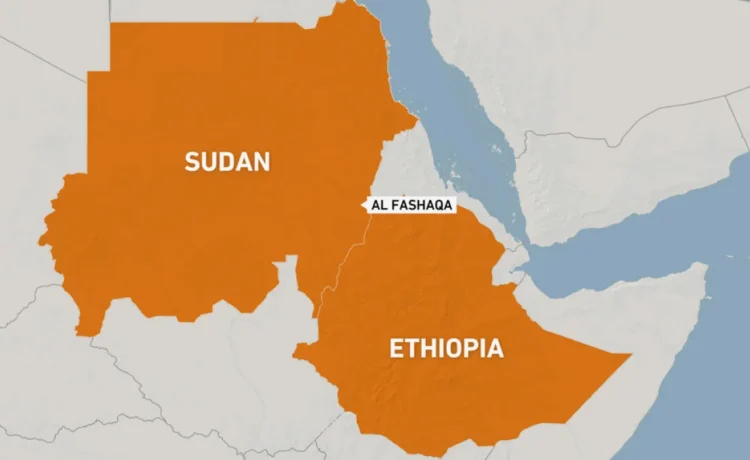
Sudan has accused neighbouring Ethiopia of involvement in drone attacks targeting its electricity infrastructure, raising tensions between the two countries as the conflict in Sudan continues to disrupt essential services.
The Sudanese government said it had submitted complaints to the United Nations Security Council and the African Union’s Peace and Security Council over alleged involvement in attacks on civilian infrastructure and power stations.
The accusations come amid a growing campaign of drone strikes against electricity facilities in different parts of Sudan.
According to reports, several substations in northern and eastern Sudan have been targeted, resulting in widespread power outages and further pressure on communities already affected by the country’s prolonged conflict.
Sudan’s military government has accused Ethiopia of supporting the paramilitary Rapid Support Forces (RSF), which has been fighting the Sudanese Armed Forces since April 2023.
However, the allegations have not been independently established, and they should be distinguished from confirmed reports of damage to electricity facilities.
Electricity infrastructure increasingly targeted
The latest attacks have affected electricity substations in several locations, including New Halfa, Aroma and areas of Northern State.
According to Al Jazeera’s reporting on November 2, three substations were targeted in the latest reported attacks, while Sudanese authorities said the number of strikes against the country’s electricity network had reached 18 within a week.
The attacks have raised concerns about the safety of critical infrastructure and the ability of authorities to maintain essential services.
Electricity is particularly important for hospitals, water treatment facilities, food storage businesses and other institutions providing services to civilians.
When power stations and substations are damaged, the effects can extend beyond electricity supply.
Water pumping systems may stop working, hospitals may struggle to maintain essential equipment, and businesses may experience interruptions that affect their daily operations.
Conflict continues to weaken Sudan’s economy
Sudan has been experiencing a devastating conflict between the Sudanese Armed Forces and the RSF since April 2023.
The fighting has caused extensive damage to infrastructure, displaced millions of people and disrupted economic activities across the country.
The latest attacks on electricity facilities have added another layer of difficulty to an already challenging humanitarian situation.
In communities affected by power outages, residents may depend on generators and alternative energy sources to maintain basic services.
However, fuel shortages and rising operating costs can make these alternatives difficult to sustain.
Small businesses are particularly vulnerable because prolonged electricity disruptions can affect production, refrigeration, communication and customer services.
Healthcare facilities also face serious risks when electricity supplies become unreliable.
Hospitals require stable power for medical equipment, laboratories, refrigeration of medicines and other critical operations.
Diplomatic tensions with Ethiopia
Sudan’s accusations against Ethiopia have increased diplomatic pressure between the neighbouring countries.
The Sudanese government has alleged that Ethiopia is assisting the RSF in the attacks, including claims concerning the supply and launch of drones.
These allegations form part of the wider regional concerns surrounding Sudan’s conflict.
However, Ethiopia’s alleged role should not be treated as independently proven based solely on statements from Sudanese authorities.
The situation is sensitive because further deterioration in relations could complicate diplomatic efforts to stabilise the region.
Sudan’s conflict has already attracted international attention because of its humanitarian consequences and the involvement of regional interests.
International concerns over civilian infrastructure
The targeting of electricity facilities has also raised concerns about the protection of civilian infrastructure during armed conflict.
Electricity systems support hospitals, water supply, food distribution, telecommunications and other essential services.
Damage to these facilities can have consequences for civilians far beyond the immediate location of an attack.
International humanitarian principles require parties to armed conflicts to distinguish between civilian objects and legitimate military targets.
The growing number of reported attacks therefore highlights the importance of protecting infrastructure that civilians depend on for survival.
What happens next?
Sudan’s government is expected to continue pursuing diplomatic action over the alleged attacks, while the country’s electricity network faces increasing pressure.
The ability to restore damaged facilities will depend on security conditions, access to equipment, technical personnel and available financial resources.
For neighbouring countries and international organisations, preventing further regional escalation will remain important.
The situation demonstrates how attacks on essential infrastructure can deepen an existing humanitarian crisis and create wider political and economic consequences.