US Defence Secretary Pete Hegseth made an unannounced visit to the Middle East, according to an Associated Press report published on October 19, as security tensions continued to affect several parts of the region.
Hegseth said on social media that he was visiting American troops involved in what he described as a historic mission. The Pentagon did not provide additional details when questioned about reports of his presence in Israel.
The visit took place against a complicated regional backdrop involving military operations, attacks on security forces, violence in the occupied West Bank and continuing humanitarian needs in Gaza.
Although an official visit does not automatically signal a change in military policy, such trips can provide an opportunity for discussions with commanders and regional leaders about security priorities.
A region facing multiple security challenges
The Middle East continues to experience overlapping conflicts and security disputes involving state and non-state actors.
In the occupied West Bank, AP reported that Israeli police arrested 10 people following settler attacks that injured a US journalist and targeted European diplomats.
Incidents involving journalists and diplomatic personnel can attract international attention because they raise concerns about civilian safety, freedom of movement and the protection of people carrying out reporting or official duties.
The situation also places pressure on governments to explain what measures are being taken to prevent further violence and investigate alleged offences.
At the same time, attacks involving Iran-backed Houthi forces in Yemen and reported threats to infrastructure have added to concerns about regional security.
The Houthis have been involved in a prolonged conflict with forces aligned with Yemen’s internationally recognised government and have repeatedly threatened regional shipping and other targets.
Humanitarian concerns remain severe
The security situation is also affecting people who depend on humanitarian assistance.
AP reported that the World Food Program announced cuts affecting 700,000 Palestinians in Gaza and the West Bank because of funding shortages.
Such reductions can leave vulnerable households with fewer resources to obtain food and other necessities. The consequences may be particularly serious for families already displaced by violence or struggling to access employment and essential services.
Humanitarian organisations often rely on contributions from governments and private donors. When funding falls short, agencies may have to reduce the number of people receiving assistance, lower the value of support or prioritise those considered most vulnerable.
Access is another challenge. Aid deliveries can be affected by security restrictions, damaged infrastructure, disputes over entry procedures and the danger faced by personnel working in conflict areas.
Regional diplomacy and military calculations
The unannounced visit comes as the United States remains involved in efforts to manage regional security risks.
Defence officials typically assess the safety of deployed personnel, military readiness and coordination with partner countries. Diplomatic engagement may also address threats to infrastructure, shipping routes and regional stability.
However, the precise objectives of Hegseth’s trip were not fully detailed in the AP report. It would therefore be premature to conclude that the visit represents a particular new military operation or agreement.
Regional governments have different security priorities and sometimes disagree over the best approach to conflicts. These differences can complicate efforts to establish a common response.
Why the developments matter internationally
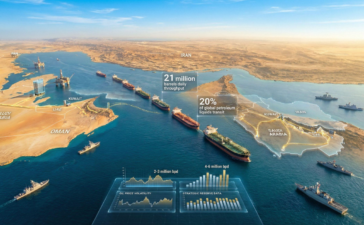
The region is important to global energy supplies, trade routes and international security. Escalation can affect oil prices, shipping insurance, airline operations and investor confidence.
For businesses, uncertainty can increase operating costs and make deliveries less predictable. For governments, it can complicate economic planning and diplomatic relationships.
The humanitarian consequences are even more immediate for residents who face violence, displacement or reduced access to essential services.
What comes next?
The immediate outlook will depend on security developments, diplomatic engagement and whether the parties involved take steps to reduce violence.
The United States and regional partners will face pressure to balance military objectives with civilian protection and humanitarian access.
For people living in affected areas, the priority remains basic safety, dependable assistance and the ability to access essential services.
The latest visit underscores Washington’s continued engagement with a region where security, diplomacy and humanitarian concerns remain closely connected.