International oil markets are facing uncertainty as traders weigh the potential easing of some restrictions on Russian oil shipments against geopolitical risks affecting maritime transport.
Reports published in recent days indicate that expectations surrounding US sanctions policy have influenced oil-price movements. At the same time, concerns about shipping security around the Strait of Hormuz continue to create uncertainty about the movement of crude oil and petroleum products.
The competing pressures make it difficult to determine the direction of oil prices over the longer term.
If restrictions on some Russian oil shipments are eased, additional supplies could become available to buyers. However, any effect would depend on the specific measures adopted, the volume of oil affected and the response of producers and traders.
Separately, disruption to shipping routes could delay deliveries and increase transport and insurance expenses, potentially placing upward pressure on prices.
Why the Strait of Hormuz matters
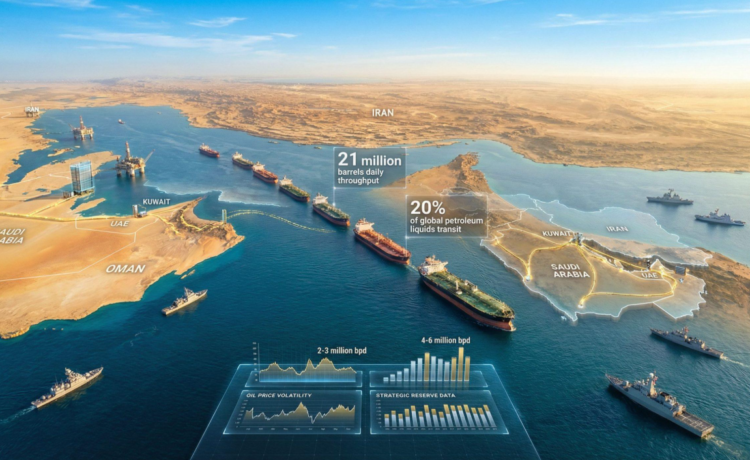
The Strait of Hormuz is one of the world’s most important maritime energy corridors, connecting the Persian Gulf with international shipping routes.
A substantial volume of internationally traded oil and petroleum products passes through the waterway. Disruptions can therefore affect the timing, cost and reliability of global energy deliveries.
When traders fear that shipping could be interrupted, prices may respond even before a physical shortage occurs.
Shipping companies may face higher insurance premiums, longer routes or additional security costs. Such expenses can eventually influence the delivered price of energy.
However, the existence of geopolitical risks does not automatically mean that supplies have been interrupted or that oil prices will continue to rise. Markets also respond to demand, inventories, production decisions and expectations about future economic growth.
The effect of Russian sanctions
Sanctions on Russian oil have reshaped international energy trade by influencing where Russian crude is sold, how it is transported and which companies can participate in transactions.
Changes in sanctions policy can affect supply expectations because traders must determine whether particular shipments, vessels or transactions are permitted.
An easing of some restrictions could make certain deliveries easier or increase the number of available shipping options. Conversely, tighter restrictions could increase compliance costs or limit access to buyers and transport services.
The exact effect depends on the details of the policy. A proposal or public statement should not be confused with a final legal change or the immediate release of additional supplies.
Businesses involved in international energy trading must therefore monitor official announcements and ensure that transactions comply with applicable sanctions and shipping rules.
Implications for oil-importing economies
Countries that depend on imported fuel can be particularly sensitive to changes in global oil prices.
When crude oil becomes more expensive, the cost of importing petroleum products may rise, placing pressure on foreign-exchange demand and domestic fuel prices.
Transport operators, manufacturers and agricultural businesses may also face higher operating expenses if fuel prices increase.
In Nigeria, domestic fuel prices are influenced by international crude prices, exchange rates, refining and distribution costs, and local market conditions. A change in international oil prices does not necessarily translate into an immediate or identical change at Nigerian petrol stations.
Nigeria also produces crude oil, meaning that higher international prices can increase export revenue. The overall national effect depends on production volumes, domestic consumption, refining arrangements and government finances.
Businesses prepare for price volatility
Companies exposed to fuel costs can manage some uncertainty by improving energy efficiency, planning purchases carefully and evaluating alternative energy sources where practical.
Transport businesses may review routes and vehicle utilisation, while manufacturers may assess opportunities to reduce energy consumption.
For importers, careful foreign-exchange management is also important because a weaker domestic currency can amplify the local cost of imported energy.
Governments can reduce vulnerability by strengthening energy infrastructure, diversifying supply sources and improving the reliability of domestic distribution systems.
Conclusion
Oil-market uncertainty reflects the interaction of geopolitical developments, sanctions policy and the risks surrounding international shipping.
Potential sanctions relief may ease some supply pressures, while maritime disruption could have the opposite effect. Neither outcome should be assumed without confirmation of the relevant developments.
For businesses and consumers, the key issue is how these factors influence actual supply, transport costs and market prices over time.