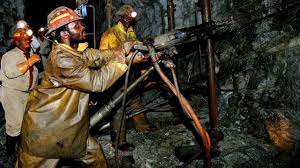
At least 14 people have died and seven others have been injured following the collapse of an illegal gold mine in southwestern Colombia, according to reports published by the Associated Press and Reuters on October 19.
The incident occurred in the rural Chambero sector of Santa Bárbara de Iscuandé, in Nariño province. Authorities said the mine was operating without the required permits, highlighting the serious risks associated with informal and unregulated mining activities.
The disaster is another reminder of the dangers faced by people who work in mining operations without adequate safety systems, engineering oversight or effective emergency planning.
Mining can provide income for people living in economically disadvantaged areas. However, where operations take place outside regulatory systems, workers may face dangerous conditions and limited access to protective equipment, professional supervision and emergency assistance.
A difficult rescue operation
The location of the collapse created additional challenges for responders.
According to AP, the affected area is remote and can be reached only by boat or small aircraft. Difficult access can delay the movement of rescue personnel, medical supplies and equipment needed to reach injured people.
Security conditions also complicate operations. The region has been affected by the presence of armed groups, including dissidents from the former Revolutionary Armed Forces of Colombia, known as FARC.
Such circumstances can make it harder for emergency teams to move safely and for residents to receive timely assistance.
Regional authorities subsequently ended search efforts, citing the risks associated with the site. The national Ombudsman’s Office called on armed groups to allow humanitarian assistance to reach the affected community.
The incident demonstrates why emergency preparedness must account for both physical hazards and the security conditions surrounding remote industrial sites.
The dangers of illegal mining
Illegal mining presents several overlapping risks.
Without adequate technical oversight, operators may fail to assess ground stability, drainage, excavation depth and the effects of earlier mining activity. These failures can increase the likelihood of collapses and other accidents.
Workers may also lack proper protective equipment, reliable communication systems and clearly established evacuation procedures.
In some locations, informal mining becomes an important source of income because other employment opportunities are limited. Efforts to address illegal operations therefore need to consider the economic conditions that lead people to enter dangerous work.
Enforcement alone may not eliminate the problem if communities have few alternative ways to earn a living. Governments can combine regulatory action with safer employment opportunities, vocational training and support for legitimate small-scale mining.
A recurring problem in Nariño
The latest collapse is not the first deadly mining accident to affect the province.
AP reported that another collapse in Nariño within the preceding three months had also resulted in fatalities. Combined, the two incidents were reported to have caused 27 deaths.
Repeated disasters raise questions about whether safety enforcement, site monitoring and access to emergency assistance are adequate in areas where informal mining takes place.
Authorities must also consider whether operators are adequately assessing known hazards before allowing work to continue.
Protecting workers and communities
Preventing future incidents requires a combination of practical measures.
Mining sites need proper geological assessments, safe excavation methods, stable working areas and plans for responding to emergencies. Inspections can help identify hazards before they cause deaths or injuries.
Where illegal operations are discovered, authorities also need to assess immediate risks to workers and nearby residents. Closing an unsafe site may be necessary, but enforcement should be accompanied by efforts to prevent workers from simply moving to another equally dangerous location.
Medical services and emergency teams need appropriate resources to reach remote communities. Coordination between local authorities, national agencies and humanitarian organisations can improve response times when disasters occur.
What happens next?
The collapse has renewed attention to the human cost of unregulated gold mining in Colombia.
Authorities face the challenge of preventing further accidents while addressing the economic pressures that can draw people into dangerous work. The deaths and injuries also underline the need for effective emergency planning in isolated areas.
For families affected by the disaster, immediate priorities include medical care, support for survivors and accurate information about those who died.
The longer-term lesson is that mineral production must not come at the expense of workers’ lives. Stronger oversight, safer working conditions and realistic economic alternatives are essential to reducing the risk of another tragedy.