Emerging economies are increasingly turning to solar power and other renewable-energy technologies as they seek more affordable and reliable electricity supplies.
A report published by Deutsche Welle on October 7 highlighted how developing countries are adopting solar, wind and hydropower, with some communities using these technologies to expand electricity access without following the same fossil-fuel-intensive development path taken by many industrialised economies.
The trend reflects changing energy economics. Solar panels and related equipment have become more accessible in many markets, creating opportunities for households, farmers and businesses to generate electricity independently of conventional power networks.
However, progress differs substantially between countries and communities. Access to financing, reliable equipment, electricity infrastructure and technical support continues to influence how quickly renewable-energy projects can expand.
Solar power supports rural communities
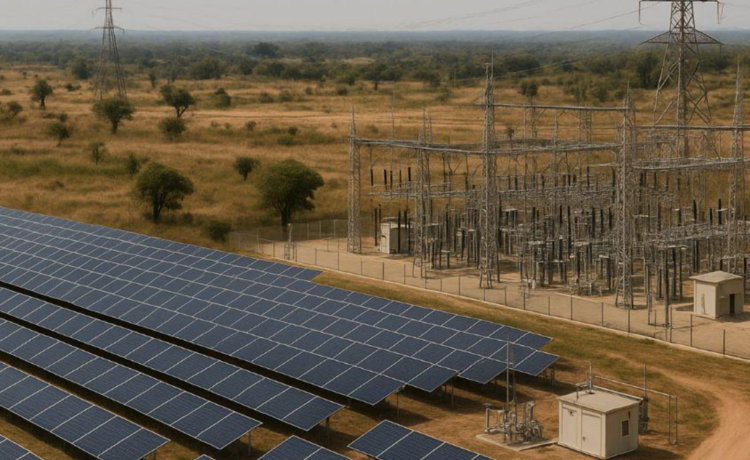
In rural areas, solar power can provide electricity to communities that are not connected to reliable national grids.
Farmers can use solar-powered equipment for irrigation, while households may use solar systems for lighting, charging phones and powering small appliances.
These applications can reduce dependence on diesel generators, although the actual savings depend on installation costs, system size, maintenance requirements and local energy prices.
For agricultural businesses, access to dependable electricity can improve production and reduce losses associated with unreliable power.
Solar-powered irrigation can help farmers pump water when needed, while refrigeration systems can help preserve food and other perishable products.
Small businesses may also benefit from longer operating hours and reduced interruptions caused by electricity shortages.
Nevertheless, renewable-energy equipment requires appropriate installation and maintenance. Batteries may need replacement, and systems must be designed to meet the energy demands of the users.
Why developing countries are investing
Energy access remains an important development challenge in many parts of the world.
Extending conventional electricity grids to remote communities can be expensive, particularly where populations are widely dispersed.
Distributed renewable-energy systems offer an alternative by producing electricity closer to where it is consumed.
These systems may include individual solar home installations, mini-grids serving groups of households and businesses, or larger renewable-energy facilities connected to electricity networks.
For governments, the attraction lies in the possibility of expanding energy access while diversifying electricity generation.
Renewable-energy investment can also reduce exposure to fluctuations in international fossil-fuel prices, although equipment supply chains and financing costs create their own risks.
The importance of financing
Despite improvements in technology, the initial cost of installing solar systems can remain a barrier for low-income households and small businesses.
Financing programmes, affordable payment arrangements and private investment can help make systems accessible to more users.
Nigeria provides an example of efforts to expand distributed renewable energy. In early October, reports announced the commercial launch of a $300 million fund intended to support distributed renewable-energy projects, including mini-grids and solar home systems.
The initiative involves the Nigeria Sovereign Investment Authority and Africa50, with additional participation from development partners.
The fund is intended to help mobilise financing for electricity solutions in communities and businesses that do not receive reliable service from the national grid.
Such programmes illustrate how public and private capital can support renewable-energy deployment when funding is directed towards viable projects.
Challenges remain
Renewable energy is not without obstacles.
Some communities lack the technical expertise needed to install and maintain equipment. Others face high borrowing costs, limited consumer financing or uncertainty about the reliability of suppliers.
Solar power also varies with weather and time of day, meaning that batteries, backup generation or grid connections may be necessary for uninterrupted electricity.
Governments need clear regulations, appropriate quality standards and policies that encourage investment while protecting consumers.
Recycling and safely disposing of batteries and electronic equipment will also become increasingly important as installations grow.
Implications for African businesses
For African businesses, renewable energy can offer an opportunity to reduce electricity costs and improve operational reliability.
Agriculture, retail, manufacturing and telecommunications are among the sectors that can benefit from appropriate solar installations.
However, businesses should assess the total cost of ownership rather than focusing solely on the purchase price. Installation, batteries, maintenance and replacement costs all affect long-term savings.
Conclusion
The expansion of renewable energy in emerging economies represents an important development in global electricity markets.
Solar power and other clean-energy technologies can support economic activity, improve energy access and reduce reliance on fossil fuels. Their success, however, depends on affordable financing, sound project design and reliable maintenance.
For countries such as Nigeria, expanding renewable energy could complement grid improvements and provide new opportunities for businesses and communities that struggle with unreliable electricity.