China and Botswana have agreed to establish a comprehensive strategic cooperative partnership, opening a new phase in their bilateral relationship and expanding the areas in which the two countries intend to work together.
The agreement followed a state visit to China by Botswana’s President, Duma Gideon Boko, from October 12 to 17, 2026, at the invitation of Chinese President Xi Jinping.
According to the joint statement released during the visit, the two governments discussed bilateral relations, China-Africa cooperation and regional and international developments.
The partnership is intended to strengthen political engagement and encourage practical cooperation between government institutions, businesses, academic organisations and other stakeholders.
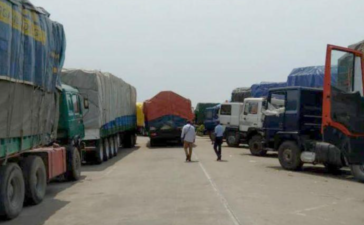
Its priorities include trade, investment, mining, energy, infrastructure, agriculture, manufacturing, logistics, digital technology and other productive sectors.
Mining and mineral development take centre stage
Mining is an important area of economic cooperation between the two countries.
Botswana has a major diamond industry and mineral resources that can support export earnings, employment and industrial development. The joint statement also highlighted cooperation involving the Khoemacau Copper Mine and efforts to strengthen sustainable mineral development.
The countries expressed an interest in expanding cooperation in the diamond sector, including through the Kimberley Process, which addresses international trade in rough diamonds and seeks to prevent conflict diamonds from entering legitimate markets.
They also agreed to work towards implementing a memorandum of understanding on green mining cooperation.
For Botswana, stronger partnerships in mining could create opportunities to attract investment, improve technical capacity and expand value addition. For China, cooperation could deepen commercial relationships and support access to mineral supply chains.
However, the announcement of a strategic partnership does not mean that every proposed investment has already been financed or implemented. Individual projects will still require appropriate commercial arrangements, regulatory approvals and, where applicable, environmental assessments.
Expanding trade and investment
The joint statement also identified broader opportunities for trade and investment.
Both governments encouraged companies to identify commercially viable projects and strengthen business-to-business engagement through investment forums, trade missions and other platforms.
Areas identified for potential cooperation include infrastructure, energy, manufacturing, logistics, agriculture and digital technology.
These sectors could support Botswana’s efforts to diversify its economy and reduce excessive dependence on a limited number of export industries.
For businesses, stronger bilateral cooperation may create opportunities to access new markets, build partnerships and obtain technical expertise.
Nevertheless, the actual benefits will depend on whether discussions lead to commercially sustainable projects that generate employment and local economic activity.
Agriculture, technology and green development
Beyond mining, the two countries intend to explore cooperation in agriculture, forestry, water management, healthcare and human-capital development.
The joint statement also highlighted digital transformation, e-commerce, artificial intelligence and smart-city development as areas for future engagement.
These priorities reflect a wider effort to connect traditional trade and investment with emerging technologies and sustainable development.
Agricultural cooperation, for example, could support efforts to improve production methods and strengthen food security. Technology partnerships could help businesses adopt digital services and improve productivity.
Green development and water management are also important in a region where environmental pressures can affect agriculture, livelihoods and economic planning.
What the agreement means for Africa
The partnership is part of the broader relationship between China and African countries, which includes trade, infrastructure investment, manufacturing and resource development.
For African governments, international partnerships can provide access to finance, expertise and markets. They can also support infrastructure and industrial projects that may be difficult to fund through domestic resources alone.
However, governments must evaluate investment agreements carefully to ensure that projects provide long-term benefits, maintain appropriate environmental standards and support local employment.
Transparent procurement, sound debt management and effective regulation are important in ensuring that international partnerships contribute to sustainable development.
Conclusion
The China-Botswana strategic partnership creates a framework for expanded cooperation across several sectors, with mining and investment among its central priorities.
Its long-term importance will depend on the implementation of specific projects and the extent to which cooperation creates productive capacity, economic diversification and opportunities for citizens.