Namibia’s livestock industry is facing a difficult period as authorities work to contain foot-and-mouth disease and manage the impact of restrictions on animal movements and meat exports.
The outbreak has affected livestock producers and businesses that depend on the movement, slaughter and sale of cattle and other animals. The European Union has also temporarily restricted certain meat products from a previously authorised disease-free export zone in Namibia.
The restrictions are intended to protect animal health and prevent the disease from entering markets that impose strict veterinary requirements on imported meat.
For Namibia, however, the situation creates economic concerns because livestock production supports farmers, traders, slaughterhouses and workers throughout the supply chain.
What is foot-and-mouth disease?
Foot-and-mouth disease is a highly contagious viral disease affecting cloven-hoofed animals, including cattle, sheep, goats and pigs.
It can cause fever, blisters and lesions around the mouth and feet, making it painful for animals to eat or move. Even when animals recover, an outbreak can create substantial financial losses because governments and trading partners may impose restrictions to prevent the virus from spreading.
The disease is not the same as hand, foot and mouth disease in humans.
Veterinary authorities typically respond through animal movement controls, surveillance, vaccination where appropriate, and restrictions on livestock markets and slaughter activities in affected areas.
Government measures to contain the outbreak
Namibian authorities have imposed restrictions in affected areas, including controls on the movement of susceptible animals and certain raw animal products. Livestock auctions and gatherings have also been restricted in some locations.
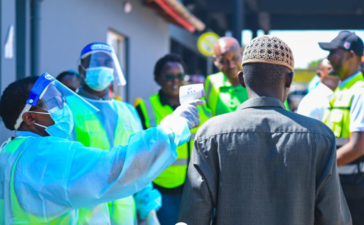
Emergency vaccination and enhanced surveillance are among the measures being used to contain the outbreak. Road checkpoints can help authorities monitor animal transportation and prevent potentially infected livestock from being moved into unaffected areas.
These measures may be disruptive, but they are important because the uncontrolled movement of infected animals can spread the disease over large distances.
Authorities have also notified the relevant international animal-health bodies and trading partners.
Impact of European Union restrictions
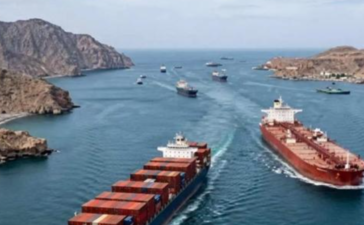
The European Union announced a temporary suspension of entry for specified fresh meat products from cattle, sheep and goats, as well as certain other animal products from Namibia’s previously authorised export zone.
Some processed products that undergo prescribed risk-reducing treatment may remain eligible for entry. Certain consignments certified before the relevant outbreak date may also qualify under transitional arrangements.
The restrictions should therefore not be described as a blanket ban on every Namibian meat product.
Even limited restrictions can have significant consequences for exporters. Businesses may need to redirect shipments, manage additional certification requirements or seek alternative markets. Farmers may also face lower prices if the domestic market becomes crowded with animals that cannot be exported through their usual channels.
Effects on farmers and consumers
For livestock farmers, disease outbreaks can affect income at several levels. They may lose access to auctions, face higher veterinary expenses and have fewer opportunities to sell animals.
Small traders can be particularly vulnerable because they may have limited savings to survive several weeks of disrupted business. Meat markets, transport operators and slaughter facilities can also suffer when supplies are interrupted.
Consumers may experience changes in availability and prices, although the effects depend on local supply conditions and how quickly the outbreak is contained.
The importance of animal-health cooperation
The outbreak highlights the importance of veterinary services and traceability systems. Exporting countries need reliable records showing where animals were raised, how they were transported and whether the relevant health standards were met.
International cooperation can help prevent the disease from spreading while allowing compliant products to continue moving through approved channels where regulations permit.
Conclusion
Namibia’s priority is to control the outbreak while limiting long-term damage to the livestock industry. The success of vaccination, surveillance and movement controls will influence how quickly normal trade can resume. Farmers and exporters will also need clear guidance on certification and the markets that remain accessible.