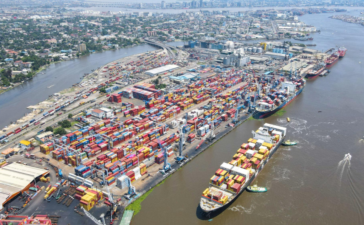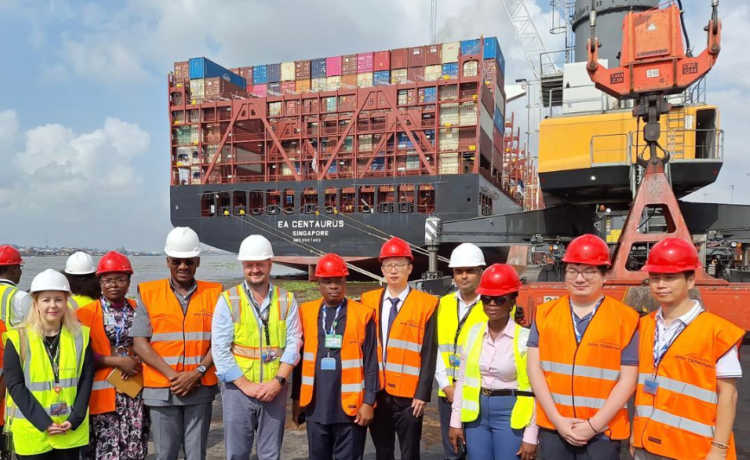
Dockworkers at APM Terminals in Apapa, Lagos, have continued their strike after negotiations between the Maritime Workers’ Union of Nigeria (MWUN), the Nigerian Shippers’ Council (NSC) and terminal management failed to produce an agreement.
According to a report published by Maritime Today Online on October 9, 2026, the industrial action began on Wednesday, following disagreements over workers’ salaries, retirement benefits and alleged unfair treatment by management.
The union’s President-General, Comrade Adewale Adeyanju, said a meeting with the Nigerian Shippers’ Council on Thursday did not resolve the dispute. A separate meeting with APM Terminals management later that evening also ended without an agreement.
Adeyanju maintained that the union would continue the strike until its demands were addressed. He added that another meeting with the terminal operator was scheduled for Friday, with the union expected to consult its members before making further decisions.
One of the major concerns raised by the union is the retirement package available to workers after years of service. Adeyanju criticised the reported benefits, arguing that they did not adequately reflect the years employees had spent working for the company.
The union also raised concerns about employment opportunities for qualified Nigerians, alleging that foreign workers were being employed for responsibilities that local professionals could perform.
The dispute has raised concerns about the impact of industrial action on cargo handling and other activities at Apapa Port, one of Nigeria’s major maritime gateways.
Any prolonged disruption could affect importers, exporters, clearing agents, truck operators and other businesses that depend on the smooth movement of goods through the port. Delays in cargo handling may also contribute to additional costs for businesses and consumers.
The Nigerian Shippers’ Council has been involved in efforts to resolve the disagreement, but the latest meeting did not lead to the suspension of the strike.
The dispute highlights the importance of constructive dialogue between terminal operators and maritime workers, particularly in a sector that plays a major role in Nigeria’s international trade.
A lasting resolution will depend on both parties reaching an acceptable agreement on workers’ welfare, retirement benefits, remuneration and other outstanding issues.
As negotiations continue, attention remains on whether the scheduled meeting will produce a breakthrough and allow normal operations to resume at the terminal.