Sudan has called for no externally imposed solution to the country’s ongoing conflict, urging the international community to support efforts led by Sudanese authorities and stakeholders.
The position was presented at the United Nations General Assembly in New York as Sudan continues to face a devastating conflict between the Sudanese Armed Forces (SAF) and the paramilitary Rapid Support Forces (RSF).
The war, which began in April 2023, has caused widespread displacement, destruction of infrastructure and a severe humanitarian crisis. Millions of Sudanese have been forced from their homes, while access to food, healthcare and other basic services has been severely disrupted.
Sudanese officials have repeatedly called for the country’s sovereignty to be respected and for any political settlement to take account of Sudan’s own institutions and national interests.
The government’s position comes as international efforts continue to find a way to end the fighting. Various regional and international actors have pushed for ceasefires and negotiations, but previous attempts have failed to produce a lasting cessation of hostilities.
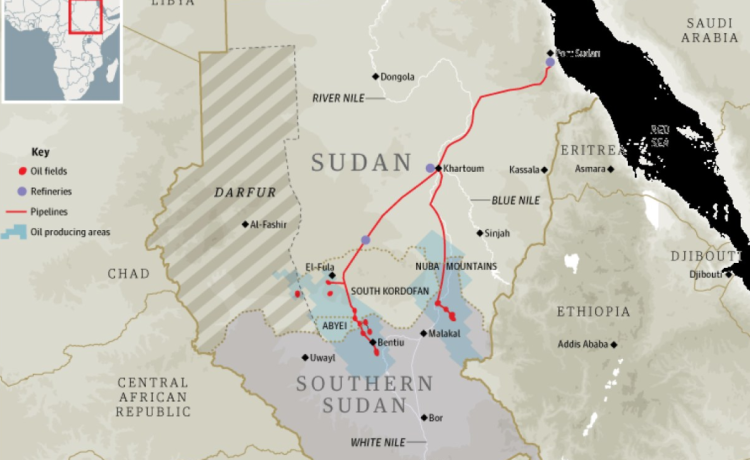
The conflict has also created a major displacement crisis across Africa. Sudanese refugees have crossed into neighbouring countries including Chad, Egypt, South Sudan and Ethiopia, putting additional pressure on countries already dealing with economic and humanitarian challenges.
The United Nations and humanitarian organisations have continued to warn about the deteriorating humanitarian situation. The conflict has disrupted agricultural production and trade routes while limiting humanitarian access to several areas.
The fighting has also damaged hospitals, schools, homes and other civilian infrastructure. Aid organisations have called for safe and sustained access to communities in need.
The Sudanese government has maintained that any future political process should address the country’s territorial integrity and security while preventing armed groups from determining the country’s political future through force.
Meanwhile, international mediators continue to explore diplomatic options for reducing the fighting and creating conditions for negotiations.
The situation remains fluid, with developments on the battlefield and diplomatic efforts continuing simultaneously.