Fresh reports of deadly violence in Sudan’s South Kordofan region have raised renewed concern about the continuing humanitarian impact of the country’s prolonged conflict.
A medical organisation reported that dozens of civilians were killed during attacks involving armed groups in the region.
Among the reported victims were children.
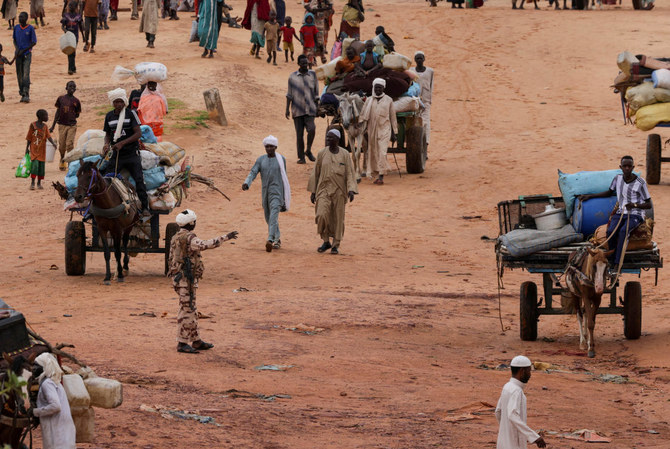
The violence has also triggered displacement, forcing residents to move towards safer locations.
South Kordofan has long been one of Sudan’s most complex and vulnerable regions.
Its communities have experienced conflict, political tension and humanitarian challenges for years.
The latest violence demonstrates how Sudan’s broader war continues to affect areas beyond the country’s major population centres.
For civilians, the consequences of armed conflict are often immediate.
Families can lose homes, access to food and basic services within hours of an attack.
Those forced to flee frequently face uncertainty about where they will live and how they will survive.
Displacement also places pressure on nearby communities.
Areas receiving displaced families may already have limited food, water and medical services.
The humanitarian challenge therefore extends beyond the communities directly affected by fighting.
South Kordofan’s geography and political complexity also make humanitarian operations difficult.
Aid organisations can struggle to reach vulnerable populations when roads are unsafe or fighting is continuing.
The situation is part of a wider crisis across Sudan.
Since the conflict began in 2023, millions of people have been displaced and humanitarian organisations have repeatedly warned about worsening food insecurity.
Children remain among the most vulnerable.
When communities are displaced, access to schools and healthcare can collapse.
Malnutrition can also become more serious when families lose access to farms and markets.
The latest reports of violence will increase pressure on all armed actors to protect civilians.
International humanitarian law requires the protection of non-combatants, particularly children and other vulnerable groups.
However, accountability remains difficult during active conflicts.
The continued violence also demonstrates the limitations of military solutions.
Even when one area experiences reduced fighting, new violence can emerge elsewhere.
This creates a constantly shifting humanitarian crisis.
For Sudan, the long-term consequences could be severe.
A generation of young people faces disruption to education and social development.
Economic activity has been damaged, while infrastructure destruction will require significant investment to repair.
The international community continues to call for improved humanitarian access and stronger efforts to achieve a ceasefire.
However, translating these demands into lasting progress remains difficult.
The people of South Kordofan now face the immediate consequences of the latest violence.
Families who have lost relatives and homes will require urgent assistance.
Humanitarian organisations will need access to affected areas.
The crisis is a reminder that Sudan’s war is not only a struggle between armed forces.
It is a humanitarian disaster affecting ordinary people across a vast country.
Until meaningful political progress is achieved, communities in places such as South Kordofan are likely to remain vulnerable to further violence and displacement.