Diplomatic Alliances for Heritage Recovery
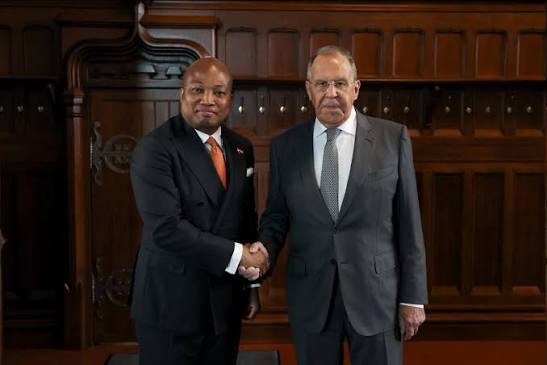
Ghana has advanced its international campaign for the return of looted cultural artifacts after securing strategic diplomatic backing from Russia ahead of a major global summit. Ghanaian leadership announced plans to host a high-level conference on artifact restitution and reparations alongside upcoming global multilateral gatherings, seeking to unite nations across the Global South in advocating for the unconditional return of stolen cultural treasures.
For decades, African nations have sought the repatriation of sacred objects, royal regalia, ceremonial bronze sculptures, and historic manuscripts looted during colonial military expeditions. Millions of irreplaceable historical treasures remain housed in foreign museums, private galleries, and academic institutions, generating substantial tourism revenue for host countries while depriving African societies of their tangible cultural heritage. Ghana’s diplomatic offensive frames restitution not merely as a legal or historical issue, but as a fundamental human right and economic necessity linked to cultural identity and national sovereignty.
Changing Geopolitical Dynamics
The partnership reflects broader geopolitical shifts as African nations diversify international alliances to achieve key policy objectives. While foreign institutions have gradually initiated conditional, long-term loan agreements or selective returns of specific items, African leaders are increasingly demanding complete legal transfer and direct physical return. Diplomatic endorsements from strategic global partners add momentum to Ghana’s initiative, building support for unified continental standards regarding museum holdings and heritage protection.
The upcoming international summit aims to establish a clear legal framework and unified database covering contested African artifacts worldwide. Ghanaian officials emphasized that reclaiming these treasures will strengthen domestic tourism, enrich national educational curricula, and restore historical dignity to communities across the continent. The movement represents a landmark effort to reshape global heritage governance and correct historical injustices stemming from the colonial era.
Educational and Economic Impact
Reclaiming stolen heritage carries profound implications for future generations across the African continent. Beyond restoring moral dignity, bringing historical artifacts back to their places of origin revitalizes local educational frameworks by offering students direct access to their historical legacy.
Furthermore, housing these cultural assets in state-of-the-art national museums creates robust domestic and international tourism ecosystems, driving infrastructure development, job creation, and economic diversification. Restitution thus serves as a catalyst for economic growth, transforming historical recovery into modern social and economic empowerment.