The World Health Organization (WHO) has issued an urgent appeal for increased international funding and operational support to help contain the rapidly expanding Bundibugyo Ebola outbreak in the Democratic Republic of Congo (DRC). The UN health agency warned that the scale of the outbreak has exceeded current response capacity, making it the largest Bundibugyo Ebola epidemic ever recorded in the country.
According to the WHO, the outbreak continues to spread across several provinces despite ongoing containment efforts by Congolese health authorities and humanitarian partners. The organisation cautioned that without immediate reinforcement of response operations, the situation could deteriorate further, increasing the risk of additional infections and deaths.
As of August 1, health authorities had confirmed 3,748 Ebola cases, while the disease had claimed 1,657 lives. A further 708 patients had recovered after receiving treatment and supportive medical care.
The outbreak has affected 49 health zones across five provinces, making it one of the most widespread Ebola emergencies the country has faced in recent years.
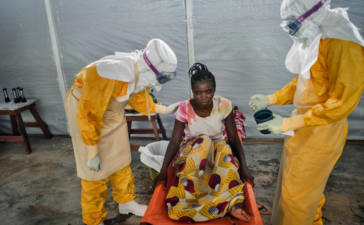
WHO officials said the growing number of infections has placed enormous pressure on treatment centres, laboratories, surveillance teams and frontline healthcare workers who continue to operate under extremely challenging conditions.
One of the agency’s major concerns is the large number of individuals who have come into contact with confirmed Ebola patients.
Health authorities are currently monitoring approximately 17,000 contacts, with more than 80 percent receiving daily follow-up by surveillance teams. Contact tracing remains one of the most important strategies for breaking the chain of transmission, as it enables health workers to identify new cases quickly and isolate infected individuals before they spread the virus further.
However, maintaining such an extensive surveillance operation requires significant financial resources, trained personnel and logistical support.
The WHO stressed that additional funding is urgently needed to expand treatment facilities, deploy more field investigation teams and strengthen community-based healthcare services.
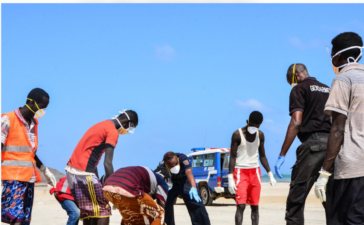
The organisation also called for increased investment in safe and dignified burial programmes, which are essential in controlling Ebola outbreaks because the virus can remain highly infectious after death.
Community engagement has also been identified as a critical component of the response.
Health officials continue to work with local leaders, religious organisations and community volunteers to educate residents about Ebola symptoms, infection prevention measures and the importance of seeking medical care promptly.
Public awareness campaigns are helping to combat misinformation, encourage early reporting of suspected cases and reduce fear surrounding treatment centres.
The Bundibugyo strain of Ebola presents additional challenges because there are currently no approved vaccines or treatments specifically developed for this particular variant.
Although supportive medical care—including hydration, symptom management and treatment of secondary infections—can significantly improve patients’ chances of survival, health experts acknowledge that the absence of targeted therapies complicates response efforts.
Encouragingly, researchers are currently conducting clinical trials of experimental vaccines and therapeutic medicines aimed at improving future treatment options for Bundibugyo Ebola.
Scientists hope the ongoing research will provide valuable evidence that could strengthen preparedness for future outbreaks involving this strain of the virus.
The Democratic Republic of Congo has experienced numerous Ebola outbreaks over the past several decades, making it one of the countries with the greatest experience in managing the deadly disease.
Previous outbreaks have prompted significant investments in disease surveillance, laboratory capacity and emergency response systems. Nevertheless, experts say the current outbreak demonstrates that Ebola continues to pose a serious public health threat, particularly in regions with limited healthcare infrastructure.
International humanitarian organisations have also warned that insecurity in some affected areas complicates response efforts by limiting access to vulnerable communities.
Poor road networks, difficult terrain and population movements further challenge healthcare workers attempting to trace contacts and deliver essential medical supplies.
Public health specialists emphasise that controlling Ebola requires a coordinated response involving governments, international agencies, healthcare professionals and local communities.
Rapid diagnosis, effective isolation of infected patients, comprehensive contact tracing and strong infection prevention measures remain the cornerstone of outbreak control.
The WHO has therefore urged donor governments, international financial institutions and humanitarian partners to increase financial and technical support before the outbreak escalates further.
Health experts warn that delayed intervention could lead to additional transmission, place greater strain on already overstretched healthcare systems and increase the humanitarian impact on affected communities.
While the Democratic Republic of Congo has demonstrated resilience in responding to previous Ebola emergencies, officials say the current outbreak requires sustained international solidarity and resources to bring it under control.
As response efforts continue, global health authorities remain hopeful that strengthened surveillance, improved community engagement and ongoing scientific research will help slow transmission and eventually end one of the country’s most challenging Ebola outbreaks.
Source: World Health Organization (WHO)