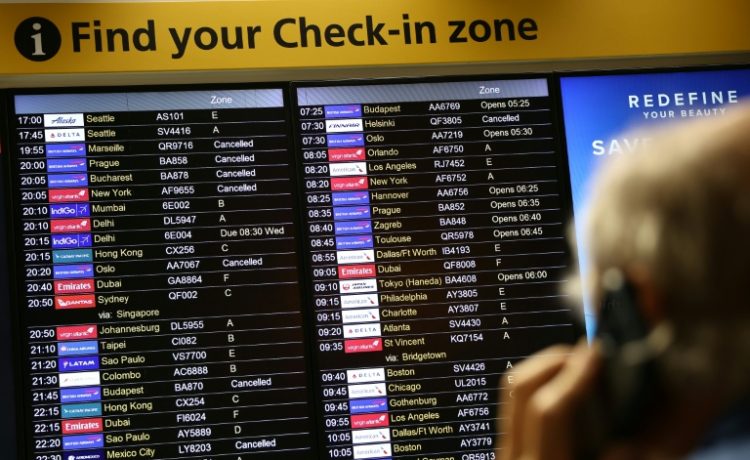
Britain’s aviation sector is facing renewed scrutiny after a major air traffic control system failure led to around 1,300 flight cancellations on Tuesday, with disruption continuing into Wednesday at some of the country’s busiest airports.
The technical fault affected the flight data processing system operated by NATS, Britain’s air traffic control provider, disrupting operations at Heathrow and airports across the country.
NATS said the problem had been resolved by Tuesday evening and stressed that passenger and aircraft safety had not been compromised.
However, the disruption created a substantial backlog that continued affecting schedules into Wednesday.
Flight-tracking data showed another 177 flights had already been cancelled for Wednesday, with almost all of those cancellations involving Heathrow.
Heathrow Among Worst Hit
Heathrow suspended arrivals for the remainder of Tuesday as the disruption intensified.
Other airports affected included Gatwick, London City, Luton, Edinburgh and Bristol.
Hundreds of arriving and departing flights were either delayed or cancelled as the failure spread through tightly coordinated airline schedules.
British Airways was among the carriers heavily affected at Heathrow and warned passengers that the scale of the incident would create significant knock-on disruption.
Even relatively short air traffic control failures can have consequences lasting many hours because aircraft, crews and passengers are displaced from their planned locations.
Ryanair Says 150,000 Passengers Affected
Ryanair said approximately 150,000 of its passengers were affected by delays of up to eight hours and that it cancelled more than 200 flights.
The airline called for NATS Chief Executive Martin Rolfe to resign.
Wizz Air also demanded urgent reform, arguing that airlines, airports and passengers should not repeatedly bear the cost of failures involving critical national aviation infrastructure.
NATS apologised for the disruption and said it was working with airlines and airports to restore normal operations.
Cause of Failure Still Under Investigation
Rolfe said NATS had not completed its investigation and did not yet know precisely what caused the latest technical failure.
Britain’s Civil Aviation Authority has requested a full report and said it will determine whether additional action is necessary to improve the reliability of the air traffic control system.
The latest incident is particularly significant because it follows previous system problems.
A major flight-plan processing failure several years ago caused widespread disruption, while another technical incident affected British airspace last year.
The earlier failure reportedly cost airlines more than £100 million in refunds and passenger compensation.
The repeated problems are now raising broader questions about the resilience of one of the most important components of Britain’s transport infrastructure.
With London operating one of the world’s largest international aviation hubs, failures in UK air traffic control can quickly affect passengers and airline schedules far beyond Britain.