Somaliland has highlighted the strategic importance of Berbera Port, describing the facility as a potential commercial gateway connecting East Africa with Israel, the Gulf states and India.
The country’s Ambassador to Israel, Dr Mohamed Hagi, made the remarks while discussing opportunities for economic and security cooperation during The Jerusalem Post Australia Summit in Sydney.
According to the ambassador, Somaliland’s geographical position and coastline could give Berbera an important role in strengthening trade relationships across the region.
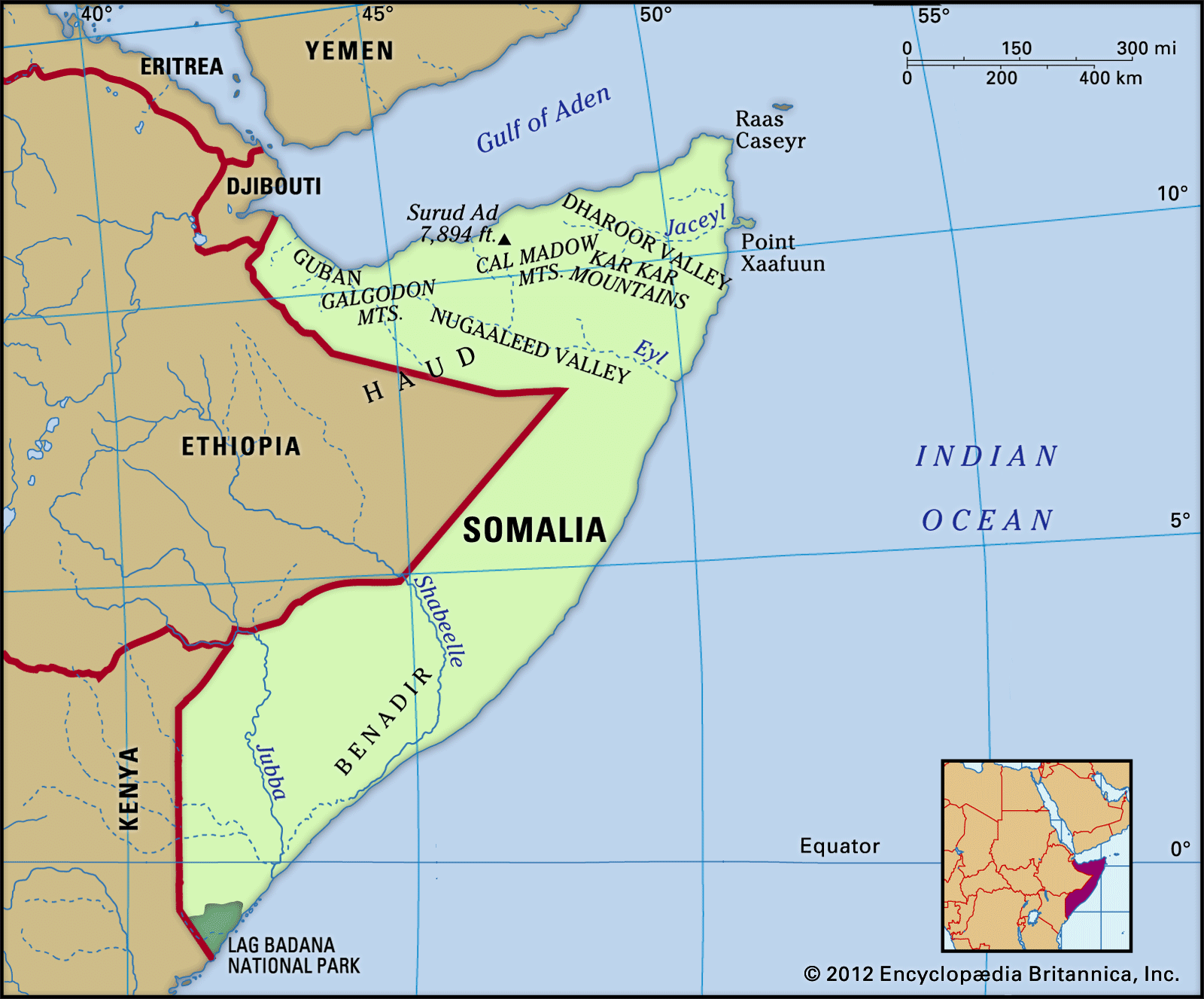
Located along the southern coast of the Gulf of Aden, Berbera sits close to major maritime routes connecting the Indian Ocean, the Red Sea and international markets.
The port has received significant investment in recent years, particularly from Dubai-based logistics company DP World, which has been involved in its development and expansion.
The development has increased interest in Berbera as an alternative route for regional trade, particularly for landlocked Ethiopia, which relies heavily on neighbouring countries for access to international shipping routes.
Hagi said the port could facilitate stronger commercial cooperation between Somaliland, Israel, Ethiopia, the United Arab Emirates and other regional partners.
He also highlighted India’s growing economic and manufacturing capacity, arguing that stronger commercial relationships across the Indian Ocean could create additional opportunities for Somaliland.
The port’s potential is closely linked to the development of the Berbera Corridor, a transport route intended to connect the facility with Ethiopia.
Ethiopia has a population of more than 130 million people and is one of the largest economies in the Horn of Africa. Its lack of direct access to the sea has made reliable transport corridors an important part of its trade and economic planning.
The development of alternative routes could help reduce pressure on existing transport networks and provide businesses with additional options for moving goods.
According to The Jerusalem Post, Berbera’s annual container capacity has increased to 500,000 twenty-foot equivalent units, with plans for further expansion to two million.
Such expansion could strengthen the port’s ability to handle increasing cargo volumes and attract more shipping and logistics operators.
However, achieving this potential will depend on continued investment in port infrastructure, road connections, customs procedures and regional cooperation.
The port’s development also comes amid wider competition among countries seeking to strengthen their influence over important maritime routes.
The Gulf of Aden and the nearby Red Sea are strategically important for international trade. They connect shipping routes between Europe, Asia, the Middle East and Africa.
Instability in the region has raised concerns about the safety of commercial vessels and the reliability of maritime transportation.
Hagi acknowledged these security challenges, pointing to instability in the Red Sea and Gulf of Aden as factors that could affect Somaliland’s economic ambitions.
He also referred to threats posed by armed groups operating in the wider region, including the Houthis in Yemen and al-Shabaab in eastern Africa.
Maritime insecurity can increase shipping costs, disrupt cargo movements and discourage investment in ports and related infrastructure.
For this reason, the ambassador argued that economic development should be supported by stronger regional security cooperation.
He also discussed the relationship between Somaliland and Ethiopia, describing Ethiopia as an important economic partner.
Although Ethiopia has not formally recognised Somaliland’s independence, the two maintain commercial and diplomatic engagement.
The relationship is particularly significant because Ethiopia’s demand for reliable access to international markets could create opportunities for Berbera and its surrounding transport infrastructure.
Somaliland’s proposal also reflects its efforts to strengthen international partnerships and increase the economic importance of its territory.
However, its international political status remains a major consideration in its external relations and ability to develop formal agreements with other countries.
The wider question is whether Berbera can become a competitive regional trade hub capable of attracting more shipping companies, investors and commercial operators.
Its location provides an advantage, but long-term success will depend on infrastructure development, security, efficient port operations and stable regional partnerships.
If the planned expansion and transport connections progress, Berbera could become increasingly important to trade in the Horn of Africa and the wider Indian Ocean region.