African maritime authorities have intensified efforts to improve domestic ferry safety following a regional workshop organised by the International Maritime Organization (IMO) in Kampala, Uganda.
The workshop was held on November 16 ahead of the ninth Conference of the Association of African Maritime Administrations, scheduled for November 17 to 19.
The initiative brought together 43 participants, including 14 women, representing 17 African countries.
Participants examined ways to improve safety regulations, strengthen maritime administration and reduce accidents involving domestic passenger vessels.
The discussions are particularly important for African countries where ferries provide essential transportation for communities located around lakes, rivers and coastal waterways.
The IMO said the workshop focused on improving national implementation of its Model Regulations on Domestic Ferry Safety and the revised action plan adopted by the Association of African Maritime Administrations in 2025.
The programme was delivered in collaboration with the World Maritime University.
International Maritime Organization
Improving domestic ferry operations
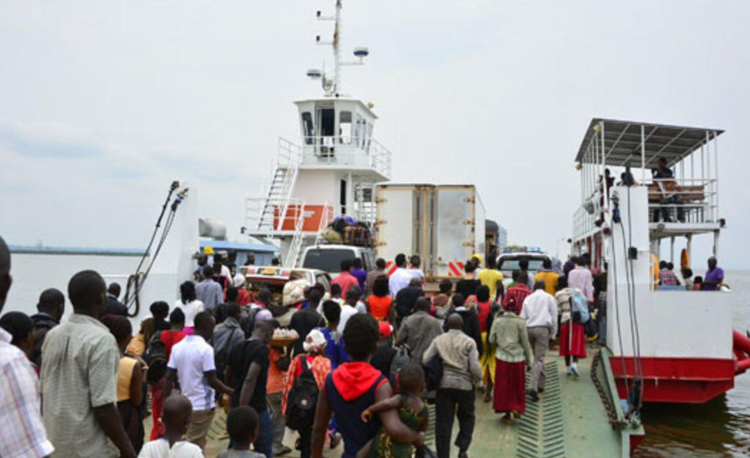
Domestic ferries play an important role in transportation across several African countries.
In communities located near major waterways, passenger vessels provide access to markets, schools, healthcare facilities and employment opportunities.
They also support tourism and commercial activities by connecting communities separated by rivers and lakes.
However, ferry transportation can expose passengers to serious risks when vessels are poorly maintained or operators fail to follow safety requirements.
Overcrowding, inadequate life-saving equipment, poor navigation practices and insufficient regulatory supervision are among the challenges that can contribute to maritime accidents.
The IMO workshop is intended to help African countries address these issues through improved policies and stronger enforcement.
Participants discussed practical approaches to improving national ferry-safety regulations and strengthening the ability of maritime authorities to supervise domestic operations.
Importance of maritime regulation
Effective maritime regulation is essential for protecting passengers, crew members and other waterway users.
National maritime administrations are responsible for ensuring that vessels meet applicable safety requirements and that operators comply with relevant regulations.
These responsibilities include vessel inspections, safety certification, accident investigations and enforcement of operational standards.
The IMO is encouraging African governments to improve these activities through stronger technical capacity and cooperation.
The Model Regulations on Domestic Ferry Safety provide guidance that countries can use when developing or updating their national rules.
However, adopting regulations is only one part of the process.
Governments must also ensure that maritime agencies have sufficient funding, trained personnel and equipment to enforce the requirements.
Accident investigations and safety training
Another major issue discussed during the workshop was the importance of learning from maritime accidents.
Investigations can help identify the causes of incidents and determine whether failures involving equipment, navigation, vessel maintenance or human decisions contributed to an accident.
The information can then be used to prevent similar incidents.
Participants also examined the need for improved safety training for ferry operators and other maritime workers.
Training can help personnel understand emergency procedures, passenger management and the proper use of safety equipment.
The IMO also highlighted the importance of insurance and financing for domestic ferry operations.
Adequate financing can help operators maintain vessels, replace outdated equipment and invest in safer transportation systems.
Women and regional participation
The workshop attracted participants from 17 countries, including Botswana, Burundi, Cameroon, Congo, Côte d’Ivoire, Ethiopia, Gabon, Guinea, Kenya, Malawi, Mauritania, Senegal, South Sudan, Tanzania, Togo, Uganda and Zambia.
The participation of 14 women also reflects efforts to increase female representation in African maritime administration and leadership.
Greater participation can help expand the pool of professionals contributing to maritime safety, policy development and the blue economy.
Africa’s blue economy
The workshop also supports broader efforts to develop Africa’s blue economy.
The blue economy involves the sustainable use of marine and aquatic resources for economic development, employment and environmental protection.
It covers activities such as shipping, fisheries, port operations, tourism and water transportation.
The IMO believes that improving maritime safety and governance is essential for developing sustainable water transportation across the continent.
The ninth AAMA conference is also examining green shipping, maritime innovation and effective governance.
Outlook
The Kampala workshop represents another step towards improving ferry safety across Africa.
The real test will be whether participating countries implement the recommendations and strengthen their national maritime regulations.
For African governments, safer passenger transportation could reduce accidents, improve public confidence and support economic activities around waterways.