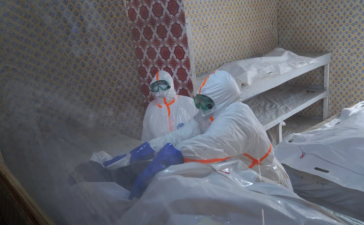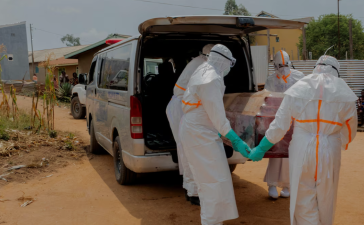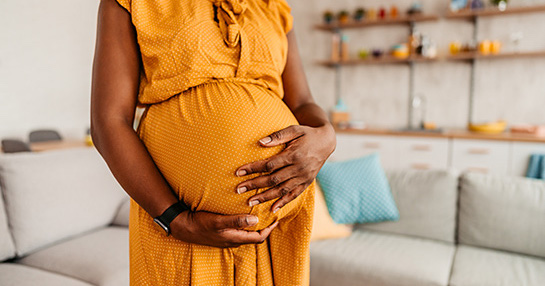
Pregnant women in the Democratic Republic of the Congo are facing an increasingly dangerous situation as the country continues to battle a rapidly growing Ebola outbreak.
Health workers and humanitarian organisations have raised alarm over reports that many expectant mothers are avoiding hospitals and clinics because they fear contracting Ebola. The situation is now affecting access to routine maternal healthcare and increasing the risk of serious complications during pregnancy and childbirth.
According to reports, maternal deaths in Ituri Province, the centre of the outbreak, have doubled since late May. More than 60,000 women are believed to remain at risk as the health crisis continues to disrupt medical services.
The fear surrounding Ebola has created a difficult situation for pregnant women who would normally attend regular antenatal appointments.
Some women are reportedly choosing to stay at home rather than visit health facilities. However, missing antenatal care can make it harder for doctors and midwives to identify pregnancy complications early.
Health professionals warn that this could increase the risk of maternal deaths, stillbirths and premature births.
The crisis is particularly serious because pregnant women who become infected with Ebola can face extremely severe complications. The United Nations Population Fund has warned that Ebola infection during pregnancy carries a very high risk for both mothers and unborn babies.
The wider Ebola outbreak is also placing enormous pressure on hospitals and health workers.
Many medical facilities are focusing heavily on Ebola patients, while other essential services are being disrupted. This means women needing routine maternity care may struggle to get the help they need.
The current outbreak is caused by the Bundibugyo strain of Ebola, which has spread rapidly through several provinces in the DRC. Health authorities are facing challenges linked to insecurity, poor infrastructure, misinformation and difficulties tracing people who may have been exposed to the virus.
Health experts say rebuilding trust is now one of the most important parts of the response.
Women need reassurance that hospitals can provide maternity care safely while also protecting patients from Ebola. Midwives, nurses and community health workers are being encouraged to work closely with communities and provide accurate information.
The situation shows how a major disease outbreak can affect more than those directly infected.
Even people who do not have Ebola can face serious consequences when fear prevents them from seeking normal medical treatment.
As the outbreak continues, humanitarian organisations are calling for stronger protection of maternity services and more support for pregnant women in affected communities.
The hope is that with better information, safer healthcare facilities and stronger community engagement, more women will feel confident enough to return for antenatal check-ups and childbirth care.
Protecting pregnant women during the Ebola crisis could save lives and prevent another hidden health emergency from developing alongside the outbreak.