The Economic Community of West African States (ECOWAS) has intensified discussions on strengthening regional security cooperation as military leaders work towards establishing a regional counterterrorism brigade to address growing insecurity across West Africa.
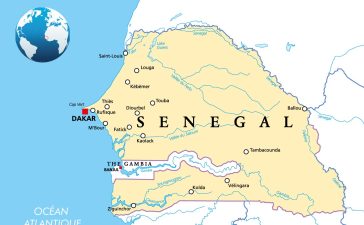
The discussions took place during the 45th ordinary meeting of the ECOWAS Committee of Chiefs of Defence Staff, held in Dakar, Senegal, from November 16 to 18, 2026.
The meeting brought together senior military authorities from member states to review the security situation across the region and discuss practical measures for improving collective responses to emerging threats.
According to an official statement published by ECOWAS on November 17, one of the major priorities was the operationalisation of the Regional Counter-Terrorism Brigade.
The discussions focused on the proposed force’s funding, equipment, operational capabilities and the establishment of its command post.
The brigade is expected to strengthen the ability of participating countries to respond collectively to terrorist activities and other security threats that cross national borders.
West Africa has experienced growing security challenges in recent years, particularly in the Sahel region.
Countries including Burkina Faso, Mali and Niger have faced persistent attacks from armed groups, creating humanitarian crises and disrupting economic activities.
The insecurity has also raised concerns in coastal countries such as Benin, Togo, Ghana and Nigeria, where governments are working to prevent militant activities from spreading further south.
Terrorist attacks can have serious economic consequences.
Businesses may be forced to suspend operations in affected communities, agricultural activities can be disrupted and transportation routes may become unsafe.
The movement of goods across borders can also become more expensive when traders and transport operators face security risks.
ECOWAS therefore considers regional cooperation important because individual countries cannot always address cross-border threats effectively without assistance from neighbouring states.
During the Dakar meeting, ECOWAS Commissioner for Political Affairs, Peace and Security, Francess Piagie Alghali, highlighted the increasing complexity of security challenges facing the region.
She stressed the importance of sustainable financing and stronger coordination among member states.
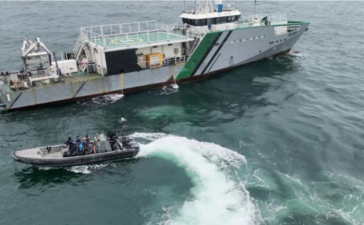
The meeting also discussed the deployment of a Maritime Task Force and the strengthening of national military capabilities.
Maritime security remains important for West Africa because the Gulf of Guinea is a major international shipping and commercial route.
The region has faced challenges involving piracy, illegal fishing, trafficking and other forms of organised maritime crime.
Improving cooperation between coastal countries could strengthen surveillance and protect important shipping activities.
Vice-Admiral Oumar Wade, who assumed the chairmanship of the Committee of Chiefs of Defence Staff, called for stronger collective action to translate regional security decisions into practical results.
ECOWAS identified July 2027 as the target for establishing the operational framework of the Regional Counter-Terrorism Brigade.
However, important questions remain about the financial resources, equipment and military arrangements required to make the force operational.
Member states will need to agree on how the brigade will be funded, where its command structure will operate and how participating troops will be deployed.
These issues are important because regional military cooperation requires clear responsibilities and sustained political commitment.
The security situation has also become more complicated following political disagreements between ECOWAS and some countries in the Sahel.
Mali, Burkina Faso and Niger withdrew from ECOWAS in 2025 and have pursued a separate regional arrangement through the Alliance of Sahel States.
This development creates additional challenges for regional security coordination because armed groups operate across borders without regard for political divisions.
Despite these difficulties, ECOWAS continues to emphasise the importance of collective security.
The proposed brigade could become an important instrument for improving cooperation if participating countries resolve outstanding operational and financial questions.
For businesses and citizens across West Africa, stronger security cooperation could help protect communities, support trade and improve economic stability.
However, the success of the initiative will depend on effective implementation rather than announcements alone.