The Ebola outbreak in the Democratic Republic of the Congo has recorded one of its deadliest weeks yet, raising fresh concerns among health authorities and international organisations.
More than 300 deaths were reported within a single week as the outbreak continued to spread rapidly through affected areas.
Latest figures show that the DRC had recorded 5,514 confirmed Ebola cases and 2,642 confirmed deaths as of August 22, 2026. The outbreak is now considered the fastest-growing Ebola outbreak on record in the country.
The current crisis is being caused by the Bundibugyo strain of Ebola, a less-studied form of the virus.
According to health authorities, the outbreak has created major challenges because there is currently no specifically approved vaccine or treatment for this strain. Scientists and health agencies are continuing research while emergency response efforts are expanded.
One of the biggest concerns is how quickly the disease is spreading.
The outbreak has affected several provinces, and health workers are struggling to trace every person who may have come into contact with infected patients.
In some areas, many new cases are being discovered among people who were not previously being monitored. This makes it much harder for authorities to break the chain of transmission.
Remote communities are among the hardest hit.
Poor roads, limited healthcare facilities and insecurity can delay medical assistance and make it difficult for health teams to reach affected populations.
Misinformation has also become a serious problem. Some communities remain suspicious of health workers and treatment centres, making people reluctant to report symptoms or seek medical help.
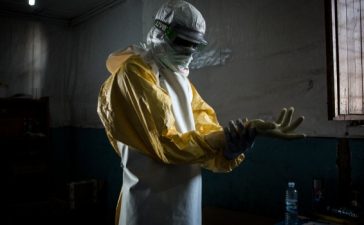
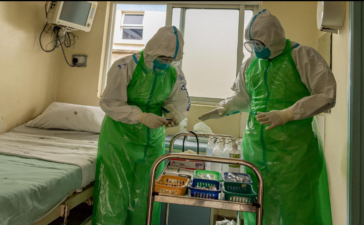
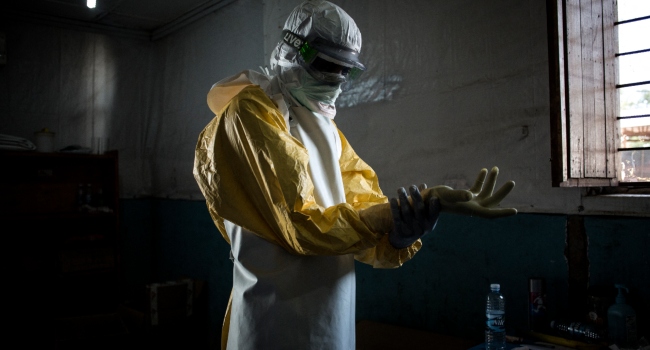
Health workers themselves are facing major risks.
Doctors, nurses and other frontline workers are regularly exposed to possible infection while treating patients and supporting communities. The World Health Organization has stressed the importance of providing stronger protection and support for healthcare workers during the emergency.
International organisations are now increasing efforts to contain the outbreak.
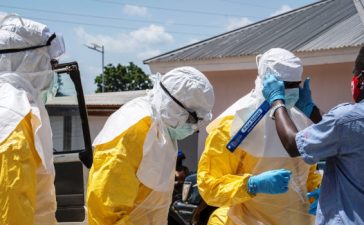
The World Health Organization, Africa CDC, the Congolese government and other partners are supporting surveillance, testing, contact tracing, treatment and community education.
Health authorities are also preparing clinical studies involving Ebola vaccines. More than 16,000 doses of the Ervebo vaccine have been delivered, although researchers are still studying how effective it may be against the Bundibugyo strain.
Community cooperation is expected to be one of the most important factors in controlling the outbreak.
Health experts believe local leaders, survivors, women and young people can help spread accurate information and encourage people to seek treatment early.
The situation remains extremely serious, but experts insist that Ebola outbreaks can be controlled when communities and health authorities work together.
The coming weeks will be critical as the DRC tries to reduce new infections, protect health workers and prevent the outbreak from spreading even further.