The Ebola outbreak in the Democratic Republic of the Congo has become one of Africa’s most serious health emergencies, with authorities and international partners working urgently to stop the disease from spreading further.
The outbreak, which began in May 2026, is being driven by the Bundibugyo strain of Ebola, a rare type for which there is currently no specifically approved vaccine or treatment. The situation has been made more difficult by insecurity, weak health infrastructure, population movement and misinformation in affected communities.
As of August 23, the DRC had reported more than 5,500 confirmed cases and over 2,600 deaths, according to recent health data. The outbreak has affected several provinces and is now regarded as the deadliest Ebola outbreak in the country’s history.
Health experts say one of the biggest challenges is reaching people quickly enough to identify infections, isolate patients and trace individuals who may have been exposed to the virus.
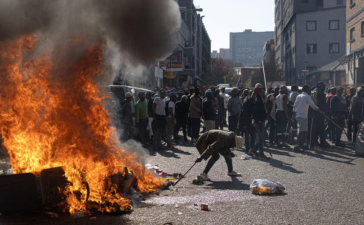
In some communities, fear and misinformation have made the response more difficult. Some residents have reportedly delayed seeking medical help or resisted public health measures because of distrust and concerns about treatment centres.
The World Health Organization has stressed that community involvement will be essential to bringing the outbreak under control. Health officials believe local leaders, survivors, women, young people and community health workers can play an important role in helping people understand how Ebola spreads and why early treatment and reporting are necessary.
Health workers are also facing enormous pressure.
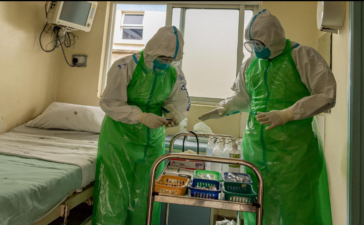
Many doctors, nurses and other frontline workers have been exposed to danger while treating patients and trying to prevent further transmission. Recent reports say hundreds of health workers have been infected during the wider outbreak response, with dozens losing their lives.
Another major concern is the condition of health facilities in affected areas. Some communities are located in remote regions where roads and transportation are poor. This makes it difficult to move medical supplies, transport patients and deliver emergency assistance quickly.
Conflict and insecurity have also complicated the situation in parts of eastern Congo. Health teams may struggle to safely reach some communities, while population movement across regions can make contact tracing more challenging.
Despite the difficulties, international organisations and African health authorities are expanding their response.
The World Health Organization, Africa CDC and other partners are supporting surveillance, laboratory testing, treatment centres, infection prevention and community education. More than 16,000 doses of the Ervebo vaccine have also recently been delivered to the DRC for use in response efforts, although the vaccine is not specifically licensed for the Bundibugyo strain. Clinical studies are expected to help determine its effectiveness.
Health experts are also calling for stronger cross-border cooperation because people continue to travel between communities and neighbouring countries.
Uganda previously dealt with imported cases linked to the outbreak and later declared its own outbreak over after successfully containing transmission. Public health officials say the experience shows how fast action, strong leadership and community cooperation can make a major difference.
The next stage of the response is expected to focus heavily on reaching communities at the grassroots level. This includes improving testing, identifying contacts, supporting health workers and ensuring that accurate information reaches people before fear and misinformation take hold.
The Ebola crisis is now a major test for Africa’s public health systems and international cooperation.
While the situation remains serious, health authorities believe the outbreak can still be brought under control if communities, governments and international partners work together.
The coming weeks will be crucial as officials try to slow transmission, protect health workers and prevent the outbreak from spreading further across the region.