Niger’s military-led government has enacted a new penal code that criminalises same-sex relations, introducing prison sentences of up to 10 years alongside financial penalties.
The reform places Niger among a growing number of West African countries adopting stricter laws on LGBTQ rights. While same-sex relationships were previously heavily stigmatised in the Muslim-majority nation, they had not been explicitly criminalised under earlier legislation.
Under the new provisions, individuals found guilty of engaging in same-sex relations face prison terms ranging from five to 10 years, as well as fines. The law further stipulates that anyone who commits or attempts to commit what it describes as “an indecent or unnatural act, or Lesbian, Gay, Bisexual, Transgender, Queer, Intersex, Asexual practices” will be subject to the same penalties.
It also imposes harsher punishment for marriage between individuals of the same sex, prescribing prison sentences of between 10 and 20 years.
The legislation reportedly took effect in February but only came to wider public attention recently following reports on social media and by international media outlets, which described concerns over a potential “large-scale crackdown.”
Justice Minister Alio Daouda defended the reform, stating that Niger acted “in full responsibility and sovereignty” in line with what he described as the country’s social and cultural values.
The penal code revision was originally initiated under Niger’s previous civilian administration led by President Mohamed Bazoum, reportedly under pressure from religious groups and lawmakers.
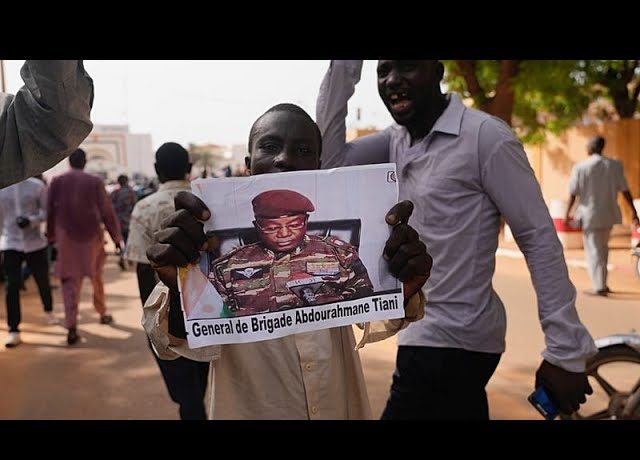
Since the 2023 military takeover led by General Abdourahamane Tiani, the government has pursued an increasingly anti-Western political stance, often criticising foreign influence and values.
Human rights organisations are expected to scrutinise the new law, which significantly expands criminal penalties related to private consensual relationships and raises concerns about broader implications for civil liberties in the country.
The development marks a significant shift in Niger’s legal framework and adds to ongoing debates across West Africa over LGBTQ rights, sovereignty, and human rights standards.