Seychelles and Eritrea have adopted Abbott’s Determine Antenatal Care (ANC) Panel, a World Health Organisation (WHO)-prequalified integrated diagnostic tool aimed at eliminating mother-to-child transmission of HIV, syphilis, and hepatitis B.
The development, reported by African Media Agency, marks a renewed push by both countries to strengthen maternal healthcare systems and improve early disease detection during pregnancy.
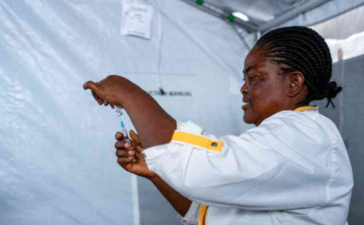
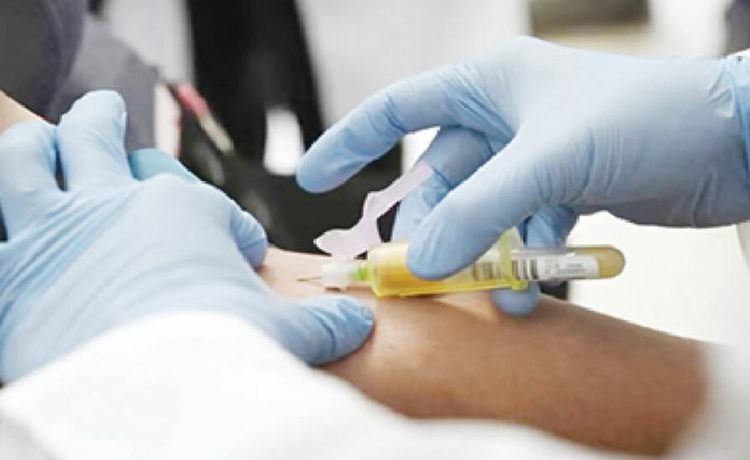
The Determine ANC Panel provides what health experts describe as a “one visit, one test, three results” approach, allowing for simultaneous screening of HIV, syphilis, and hepatitis B using a single finger-prick blood sample. Results are delivered within minutes, enabling faster diagnosis and treatment.
The innovation aligns with WHO targets for the triple elimination of HIV, syphilis, and hepatitis B, particularly among pregnant women and newborns in high-burden regions.
According to reports, the Determine ANC Panel is currently the only WHO-prequalified rapid diagnostic test that integrates a fourth-generation HIV test capable of detecting acute infection through the p24 antigen, alongside screening for syphilis and hepatitis B markers.
Health authorities say the technology is designed to improve antenatal care services, especially in regions where expectant mothers often attend limited prenatal visits despite WHO recommendations for regular monitoring.
Sub-Saharan Africa continues to bear a high burden of maternal infections, with gaps in early testing contributing to preventable infant mortality and long-term health complications.
In Seychelles, the Ministry of Health described the adoption of the integrated test as a major milestone in the country’s maternal and child health strategy, highlighting its role in improving early diagnosis and timely treatment.
The ministry said the initiative reflects the country’s commitment to eliminating mother-to-child transmission and ensuring healthier outcomes for newborns.
Eritrea’s Ministry of Health said the country is building on previous progress in eliminating mother-to-child transmission of HIV by integrating enhanced diagnostic tools into routine maternal and child healthcare services.
Officials noted that Eritrea has already achieved elimination of mother-to-child transmission of HIV and is now consolidating gains through expanded screening for additional infections.
Health experts emphasise that without early diagnosis and treatment, syphilis and hepatitis B can lead to severe complications, including stillbirth, neonatal death, liver disease, and long-term cancer risks.
Studies indicate that untreated syphilis can result in adverse pregnancy outcomes in up to 60 per cent of cases, while hepatitis B infection acquired at birth significantly increases the risk of chronic liver disease later in life.
Public health officials, including Kenya’s National AIDS and STIs Control Programme, have welcomed the innovation, noting that integrated screening tools support national efforts to achieve triple elimination targets.
Abbott’s General Manager for Rapid Diagnostics in Central, East and West Africa, Aziz Abdi, said the test would transform antenatal care by enabling rapid, accurate diagnosis and immediate clinical response.
Health experts also stress that since HIV, syphilis, and hepatitis B share similar transmission pathways, integrated testing represents a more efficient and cost-effective approach to improving maternal and child health outcomes.
The adoption of the ANC panel is expected to strengthen early detection systems, improve treatment coverage, and significantly reduce preventable infections in newborns across participating countries.